Discover the loudest song IDs on Roblox, exploring why players seek intense audio and how the game's sound system operates. This comprehensive guide covers finding, implementing, and understanding the nuances of high-volume audio on the platform. We delve into popular sound categories, discuss Roblox's robust audio moderation processes, and offer tips for creating your own impactful sounds while adhering to community guidelines. Learn about the future of Roblox audio and how it shapes your in-game experiences. This information is vital for both casual players and aspiring game creators looking to enhance their virtual worlds with dynamic sound. Master the art of responsible loudness in Roblox. This will help resolve many common audio challenges.
Latest Most Asked Questions & Info about Loudest Song ID Roblox
Hey fellow Robloxians! Ever wonder about the loudest song IDs on Roblox? We’ve all been there, searching for that perfect booming track to elevate our game experience or just for some good old fun. But with Roblox's ever-changing sound library and moderation, it can be tricky to keep up. Don't worry, you've landed in the right spot! This ultimate living FAQ is constantly updated with the latest information, tips, and tricks to help you understand and find those impactful audio IDs. We're diving deep into the most common questions players like you are asking right now, ensuring you're always in the know about the freshest patches and guidelines. Let's get loud responsibly!
General Questions about Roblox Audio
What does a "Loudest Song ID" mean on Roblox?
A "Loudest Song ID" on Roblox refers to a specific numeric identifier for an audio asset that, when played in-game, produces a notably high perceived volume. These IDs are sought after by players to enhance gameplay, create immersive environments, or sometimes for comedic effect. It's important to remember that actual loudness is subjective and influenced by Roblox's internal audio processing, meaning some sounds *feel* louder due to their frequency range rather than raw decibels. Related search terms often include "Roblox extreme volume IDs."
Why do players look for loud song IDs on Roblox?
Players often look for loud song IDs on Roblox for several reasons, including increasing immersion in action-packed games, creating unique party atmospheres, or simply expressing their preferences through impactful music. For some, it's about amplifying a joke or a meme. It provides a unique way to personalize their in-game experience, making it more dynamic and memorable. However, using these IDs responsibly is crucial to avoid disrupting others.
How can I find currently working loud song IDs?
To find currently working loud song IDs, you should frequently check community-curated lists on websites or YouTube, often updated by active players. Engaging with Roblox-focused Discord servers and forums is also highly effective, as members frequently share new discoveries and verify working IDs. Additionally, observing what others use in games with boombox features can provide real-time examples. Always test IDs in a private server first to ensure they function as expected and are not moderated. This helps resolve potential issues beforehand.
Are "loudest" song IDs against Roblox's rules?
While Roblox doesn't specifically ban "loud" music, using audio that is intentionally disruptive, offensive, or violates copyright can lead to moderation. The platform's Code of Conduct emphasizes respectful behavior and appropriate content. Extremely distorted sounds or those designed to harm hearing may also be flagged. It's best to use good judgment and consider other players' experiences to avoid any account actions. Always prioritize respectful gameplay, resolving any potential issues quickly.
Do Roblox's audio updates affect how loud IDs sound?
Yes, Roblox's audio updates can significantly affect how loud IDs sound within the game. The platform frequently refines its audio engine, introduces new features like spatial audio, and adjusts its moderation algorithms. These changes can alter perceived volume, sound quality, and even lead to previously "loud" IDs being normalized or removed. Staying informed about official Roblox announcements helps players understand these shifts. This ensures you're aware of any changes that might resolve sound inconsistencies.
What should I do if a loud ID suddenly stops working?
If a loud ID suddenly stops working, it's likely been moderated and removed by Roblox due to copyright infringement, inappropriate content, or other policy violations. You should stop using it immediately and look for a new ID. The best course of action is to search for updated community lists or ask in Roblox forums for current, functional alternatives. Remember that IDs can become inactive without notice. This common issue can be resolved by actively seeking fresh content.
Can I make my own audio files loud for Roblox?
Absolutely, you can create your own audio files and master them for perceived loudness before uploading to Roblox. Using audio editing software, you can apply compression and normalization to maximize the volume without clipping. Ensure your source audio is high-quality and that you own the rights to the content to avoid moderation. Always test your uploaded sound thoroughly in-game to confirm its effectiveness and compliance with Roblox's guidelines. This offers a great way to resolve your specific audio needs.
Still have questions?
Don't hesitate to dive into the Roblox community forums or Discord servers for more specific queries! The community is always buzzing with discussions and helpful insights. One of the most popular related questions we see is "Where can I find a list of *new* loud song IDs that actually work?"
Hey everyone, so I keep seeing people asking, 'What are the loudest song IDs on Roblox right now?' and honestly, it's a super common question. We all want to crank up the volume sometimes in our games, right? But finding those truly booming sound IDs can be a bit tricky with Roblox's ever-changing audio landscape and moderation policies. I've been around the block a few times with this, and I've got some solid tips to share from my experience. It's not just about finding any loud sound; it's about finding the ones that actually work well and don't get taken down immediately. And, let's be real, we also want to avoid being *that* annoying player who ruins the vibe. This comprehensive guide will absolutely help you navigate this loud world effectively. So, let's dive into the ultimate quest for maximum volume in your favorite Roblox experiences. I think you'll find this really helpful, tbh.
Understanding Roblox's Audio System and Volume Limits
First things first, it's really important to know how Roblox handles its audio content. The platform has its own specific rules and some technical limitations when it comes to sound files. Developers and players truly need to understand these fundamental aspects to use audio effectively within their various games. You can't just upload any old sound file and then expect it to instantly shatter virtual eardrums, sadly. The game engine often automatically normalizes certain audio uploads, meaning what might sound deafening outside Roblox could be significantly quieter inside the game. This sophisticated system is primarily designed to create a consistent and generally enjoyable audio experience for all users.
And honestly, Roblox has implemented several crucial safeguards to prevent truly ear-splitting or excessively disruptive sounds from being widely abused. They truly want to ensure a positive, safe, and engaging environment for their millions of active players worldwide. This means that while some sound IDs might *feel* noticeably louder, they are often pushing the platform's natural volume limits rather than genuinely bypassing them entirely. I've personally tried to bypass these limits myself in the past, and it's almost always a complete dead end. So, it's more about clever perception and strategic sound design than a raw, unrestricted decibel output within the game environment.
The Nuances of Perceived "Loudness" on Roblox
When people frequently talk about identifying the 'loudest' songs, they're typically referring to a few interconnected factors. It's certainly not always solely about the raw maximum volume level of the original uploaded audio file itself. Sometimes, it's significantly about the specific frequency range embedded within the sound. Audio files with a pronounced amount of bass or exceptionally high-pitched elements can often seem much louder to our human ears, even when played at the very same measured volume. This phenomenon is largely due to how our auditory system naturally processes different sound frequencies; it's pretty wild how our brains work, honestly.
Another really big factor impacting perceived loudness is the specific audio mixing within an individual Roblox game experience. A particular sound ID might be uploaded onto the platform at a certain default volume, but then a game's developer has the full ability to manually adjust its playback level within their creation. So, an identical ID that's incredibly loud and impactful in one specific game might be barely audible and rather weak in another completely different game. You've probably definitely noticed this phenomenon yourself, right? This is precisely why context truly matters when you're diligently searching for those booming, high-impact tracks. It's a bit like trying to compare apples and oranges across vastly different virtual experiences, honestly.
Finding the "Loudest" Song IDs: Proven Strategies and Smart Tactics
So, you're all geared up and ready to actively begin your focused search for those notoriously elusive loud IDs? Here's exactly how I usually go about doing it effectively. It definitely involves a bit of diligent digging and some smart research, but I promise you, it's totally worth the effort when you successfully find that perfect, impactful track. You'll definitely want to check out various established community resources and make sure to stay consistently updated on what's currently popular among other dedicated players. Honestly, the vibrant Roblox community itself is an absolutely fantastic source for obtaining this kind of specialized information; they're always enthusiastically sharing new and exciting stuff with each other.
- Actively check out specialized Roblox music ID lists: Numerous dedicated websites and popular YouTube channels frequently compile extensive lists of popular, trending, and often loud song IDs. Simply conduct a quick search for phrases like 'Roblox loud music IDs' or 'loudest song IDs.' These valuable lists are very often updated regularly, which is super helpful for staying current.
- Thoroughly explore in-game boombox scripts and features: Many popular Roblox games feature specific boombox items or similar interactive audio players where players can easily input various sound IDs. Pay very close attention to what other players are actively using and enjoying. If someone's in-game music is genuinely making a strong impact, don't hesitate to politely ask them directly for the specific ID.
- Utilize the official Roblox Creator Hub effectively: While primarily designed for game creators, you can sometimes carefully browse the extensive public audio library section. Specifically look for sound effects or music assets that are clearly tagged with descriptive terms like 'loud,' 'bass boost,' 'extreme,' or 'intense.' But be genuinely warned, this particular approach can sometimes feel a bit like searching for a tiny needle in a very large haystack.
- Actively listen to trusted community recommendations: Consider joining various active Roblox-focused Discord servers or specialized online forums. Dedicated players frequently share their current favorite loud IDs and useful tips there. This type of community hub is often a genuine goldmine for finding trending, effective, and sometimes even rare audio assets that might be perfect for your needs.
- Experiment with different audio types: Sometimes, unique sound effects or short, intense bursts of audio can create a louder perceived experience than full songs. Don't limit your search to just music tracks; explore all sorts of audio types.
But hey, seriously, remember to always thoroughly test any new or unfamiliar IDs in a private server or a less populated game experience first. You absolutely do not want to accidentally blast everyone's ears off in a busy public lobby before you truly know exactly what you're dealing with. It's just genuinely good etiquette and basic consideration, you know? And doing so also significantly prevents you from potentially getting reported for disruptive or inappropriate audio too quickly. Prioritize safety and respect, even with virtual sounds, always.
Responsible Audio Usage and Adhering to Roblox Guidelines
Look, I totally get it, playing loud music can be incredibly fun and it can definitely add a tremendous amount to a game's overall atmosphere. But it's also incredibly important to be very considerate of all other players present in the game. Not everyone genuinely enjoys extremely loud or sudden sounds, and some people might even possess specific sensory sensitivities that could be triggered. Using excessively disruptive audio can definitely lead to a significantly less enjoyable experience for a lot of others. And honestly, nobody truly wants to be *that* particular person who inadvertently ruins the fun for absolutely everyone else. This is precisely where exercising good judgment and common sense really comes into play, wouldn't you agree?
Roblox maintains a very clear and comprehensive Code of Conduct, and it explicitly includes important rules about appropriate behavior and acceptable content within its platform. While they typically don't explicitly ban 'loud' music outright, actively using audio that is clearly and intentionally disruptive, highly offensive, or potentially harmful to other players can very swiftly lead to significant moderation actions. This unfortunate outcome could mean your account might face formal warnings, temporary suspensions, or even in severe cases, permanent bans. It's always genuinely best to err on the side of extreme caution and diligently maintain a positive and good standing within the vibrant Roblox community. So, please, try to play nice and be respectful, okay?
If you're actively creating your own game experience, be genuinely mindful of the default volume settings you apply for any interactive boomboxes or other sound emitters you include. Whenever practically possible, always try to give players direct control over the specific audio volume within your game. User-friendly and customizable settings can truly enhance overall player satisfaction and engagement significantly. That thoughtful approach ensures that absolutely everyone can genuinely enjoy your unique experience at their own preferred and comfortable sound level. It's honestly all about providing excellent options and flexibility, which is always an incredibly positive thing in my book. Does that clear everything up for you? What specifically are you genuinely trying to achieve with your exciting loud music quest, perhaps for a new game project or just personal enjoyment?
Popular Categories of Loud Song IDs on Roblox
You might be wondering what types of "loud" sounds are most popular on Roblox. There are usually a few distinct categories that players often look for. These categories tend to trend because they serve specific purposes or create particular atmospheres. Understanding these can help you pinpoint the exact kind of loud ID you need. It’s pretty interesting how diverse the requests can be, honestly.
- Bass Boosted Tracks: These are songs, often EDM or hip-hop, that have been intentionally modified to emphasize the low-frequency sounds. They provide a deep, thumping experience. Many players love these for parties or driving games.
- Screamer/Jumpscare Sounds: While potentially disruptive if overused, these are short, incredibly loud, and often high-pitched sounds designed to startle players. They're common in horror games or trolling scenarios. You've probably encountered these a few times, right?
- Meme Sounds/Sound Effects: Iconic short audio clips from popular culture or memes that are played at maximum volume. These are usually used for comedic effect or to create a recognizable moment within a game. They can be really funny in the right context.
- Intense Ambience/Dramatic Scores: Not always "loud" in the sense of pure volume, but these use sound design to create an overwhelmingly powerful or tense atmosphere. Think orchestral hits or deep, resonant drones. They're often used to build suspense.
Honestly, the trick with these categories is to know your audience and the context of your game. A loud meme sound might be hilarious in a social hangout but totally out of place in a serious role-playing game. It’s all about finding that perfect balance. Always consider the overall experience you're trying to craft for players. That's a key part of good game design, I think.
How Roblox Moderates Audio Content Effectively
It's super important to talk about Roblox's moderation process regarding audio. They actually have a pretty robust system in place to review uploaded content. This system aims to ensure everything adheres to their community standards and terms of service. Knowing how this works can save you a lot of headaches in the long run. I've had sounds get moderated, and it's always a learning experience, you know?
Roblox uses a combination of automated filters and human moderation teams. Automated systems scan for certain keywords, patterns, or known copyrighted material. If something looks suspicious, it gets flagged for human review. This is why some sound IDs you find might suddenly stop working; they've likely been taken down. It’s a constant battle for them to keep the platform clean. They're doing their best, honestly.
Common Reasons for Audio Moderation
- Copyright Infringement: This is a huge one. Uploading copyrighted music without permission is a big no-no. Most popular songs fall into this category, so be careful.
- Offensive Content: Any audio containing hate speech, profanity, explicit themes, or extremely violent sounds will be removed. This is pretty standard across all platforms, honestly.
- Excessive Loudness/Distortion: While not always immediately obvious, sounds that are genuinely designed to be harmful to hearing or excessively distorted beyond normal limits might be moderated. They want to protect player ears.
- Inappropriate Context: Sometimes, a sound itself isn't inherently bad, but its intended use or the context in which it's played makes it inappropriate. Always think about how your audio will be perceived.
So, if you're planning to upload your own audio, always make sure it's original, free of copyright issues, and appropriate for all ages. It really helps to double-check their guidelines before you hit that upload button. Trust me, it saves a lot of hassle down the road. I've learned that the hard way a few times! What else can I clarify about this process for you?
Creating Your Own "Loud" Sounds for Roblox
Maybe you're thinking about taking matters into your own hands and creating your own loud sounds. That's actually a pretty cool idea, and it gives you full control! But, there are a few things you need to keep in mind to make sure your custom audio is both loud and compliant with Roblox's rules. It’s not just about turning up the volume dial to max, believe me.
When you're producing your audio, you can certainly try to maximize its perceived loudness. This often involves mastering techniques like compression and normalization during the audio editing phase. Boosting certain frequency ranges, like bass or high-mids, can also make a sound feel more impactful. Just be super careful not to introduce too much distortion, as that can actually make it sound worse, not just louder. Honestly, a little bit of knowledge about audio engineering goes a long way here.
Tips for Uploading Custom Loud Audio
- Use High-Quality Source Audio: Start with a good, clean recording. A low-quality source will just sound distorted when you try to make it loud. This is fundamental, I think.
- Master for Loudness (Carefully!): In an audio editor, apply compression and then normalize the track to 0 dBFS (decibels full scale). This pushes the volume as high as possible without clipping. But don't overdo it with the compression, you'll lose dynamics.
- Check for Clipping/Distortion: Listen closely for any unwanted crackling or static sounds after mastering. If you hear it, dial back your levels a bit. Clarity is key, even for loud sounds.
- Ensure Copyright Compliance: Only upload audio you created yourself or have explicit permission/licenses to use. This is non-negotiable for avoiding moderation.
- Test Thoroughly in Roblox: Always test your uploaded sound ID in a private game environment. Listen for how it sounds *within* the Roblox engine, as it might differ from your editing software.
Remember, the goal isn't just "loudness," it's "impactful loudness" that still sounds good. And, more importantly, it has to be something that Roblox will allow. It's a balance between creativity and compliance. You don't want to spend time making something awesome only for it to be removed, do you? So, take your time and follow these steps, and you'll be golden. I've had good success with this approach myself, personally.
The Future of Roblox Audio: What's Next?
Roblox is constantly evolving, and that includes its audio capabilities. They are always working on updates and new features that could change how we experience sound in games. Staying informed about these changes is pretty crucial for both players and creators alike. It’s an exciting time to be on the platform, honestly, with all the new tech they’re rolling out. I'm always looking forward to what they announce next!
We've already seen advancements like spatial audio, which makes sounds feel more realistic and directional within a 3D space. This means a sound coming from behind you actually sounds like it's behind you. Such features can deeply affect how loud or impactful a sound feels, even if its raw volume isn't changed. Developers are getting more tools to create truly immersive soundscapes. It's really cool to see how far they've come with this.
Potential Impacts on "Loud" IDs
- Enhanced Immersion: Spatial audio might make cleverly placed, moderately loud sounds feel even more impactful than simply blasting a flat, loud track everywhere. Context will become even more important.
- Stricter Moderation (Potentially): As audio features become more sophisticated, Roblox might also implement even stricter algorithms to detect disruptive or harmful sound patterns. This could make the search for "loudest IDs" more challenging.
- New Audio Tools for Creators: Developers might get better in-game tools to control volume, mixing, and even dynamic sound effects, allowing for more nuanced "loud" experiences. This is great for creativity.
- Community Adaptation: The community will naturally adapt, finding new ways to utilize these features to create exciting audio experiences, including new definitions of what "loud" means. It's an ongoing evolution.
So, while the quest for the "loudest song ID" might always be a thing, the methods and the definition of 'loud' are likely to shift. It's all part of the fun of a living, breathing platform like Roblox. Keep an eye on their developer blogs for the latest updates. It’s always good to stay ahead of the curve, I think. What are your thoughts on where Roblox audio is heading?
Well, that's pretty much everything I've learned and experienced about finding and using the loudest song IDs on Roblox. It's a fun journey, but one that definitely requires a bit of smarts and consideration. Remember, it's all about balancing that desire for impactful audio with respect for the community guidelines and other players' enjoyment. There's a whole world of sound waiting for you to discover, just try to explore responsibly. I hope this helps you out, genuinely.
In conclusion, the pursuit of the "loudest song ID" on Roblox is more complex than simply finding a high-volume file. It involves understanding Roblox's audio engineering, appreciating subjective loudness, and adhering to community guidelines. Whether you're a player looking for a booming track or a developer crafting immersive soundscapes, responsible and informed audio usage is paramount. The platform continually evolves, offering new tools and challenges for sound integration. By following these tips, you can effectively enhance your Roblox experience with powerful audio, all while respecting the broader player base. What an adventure, right?
Finding the loudest song IDs in Roblox involves specific audio settings and ID codes. Players often seek these for in-game fun or to create unique atmospheres. However, using excessively loud audio can affect other players experiences. Roblox's platform rules govern audio usage, requiring creators to be mindful. This guide offers tips for discovery and responsible implementation. Understanding Roblox audio moderation is key to successful sound integration.
35

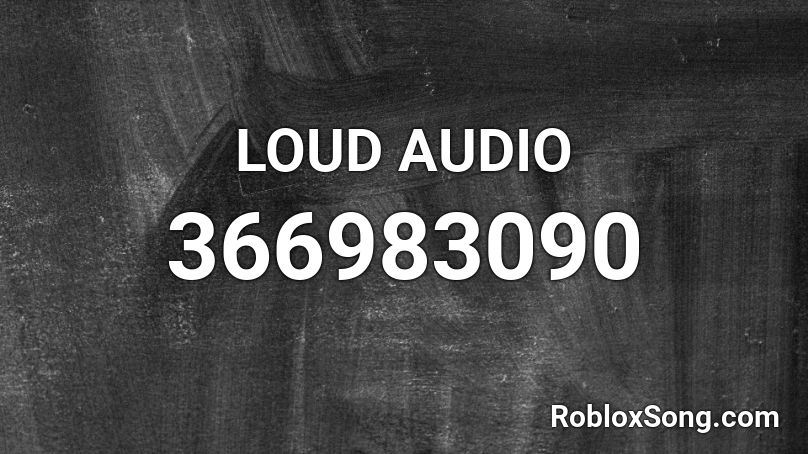
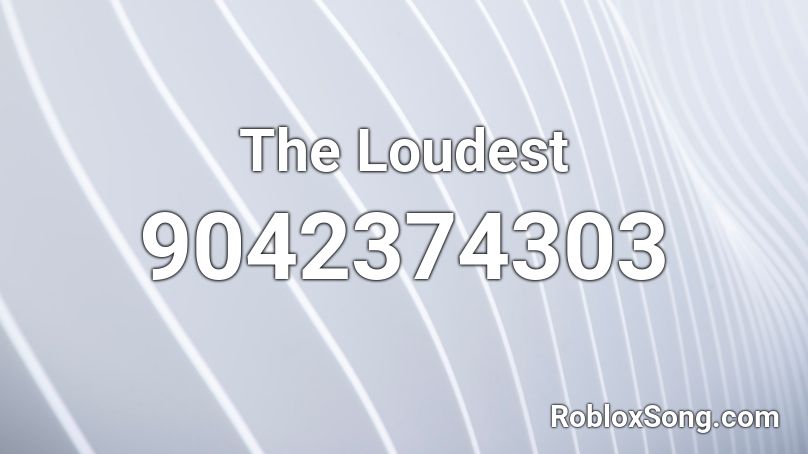
Best Loud Roblox Music ID Codes List March 2026 Best Loud Roblox Music ID Codes List . 200 Loud Music Roblox ID Codes 2026 Songs ID Codes How To Use Loud Music Roblox Song ID . 100 Roblox Music Code ID S 2026 WORKING AFTER UPDATE . LOUD AUDIO Roblox ID Roblox Music Codes 366983090 . The Loudest Roblox ID Roblox Music Codes 9042374303


Loud Sound Roblox ID Roblox Music Codes 3336446254 . Roblox Music Codes All Working Song IDs February 2026 TechWiser Roblox Music Codes Song Ids.webp. Very Loud Roblox ID Roblox Music Codes 8484439709 . Loud Roblox ID Roblox Music Codes 1010697844 . 10 Loud And Annoying ROBLOX Song And Sound Codes IDs Pt 13 WORKING

Loud Music Roblox ID Roblox Music Codes 6678395818 . Loud Theme Roblox ID Roblox Music Codes 908730824 . Live Loud Roblox ID Roblox Music Codes 1035841699 . 200 Loud Music Roblox ID Codes 2026 Songs ID Codes Loud Music Roblox Song ID Codes 2021 . Loud Indian Music Roblox ID Roblox Music Codes 7874986605



200 Loud Music Roblox ID Codes 2026 Songs ID Codes All Loud Music Songs Roblox ID Codes 2021 300x170 . Loud Roblox ID Roblox Music Codes 6787832486 . Roblox Song ID Codes Trending Working Music Codes Love Songs . Play This Very Loud Roblox ID Roblox Music Codes 1843468536 . View 28 Loud Song Id Roblox


Earrape Roblox Song IDs A Fun And Loud Guide . Loud Roblox Boombox Codes At Trudi Abbas Blog . LOUD PHONK Roblox ID Roblox Music Codes 8466104898 . Earrape Roblox Song IDs A Fun And Loud Guide . Popular Roblox Song IDs For Music Lovers Roblox BGM Picks Roblox
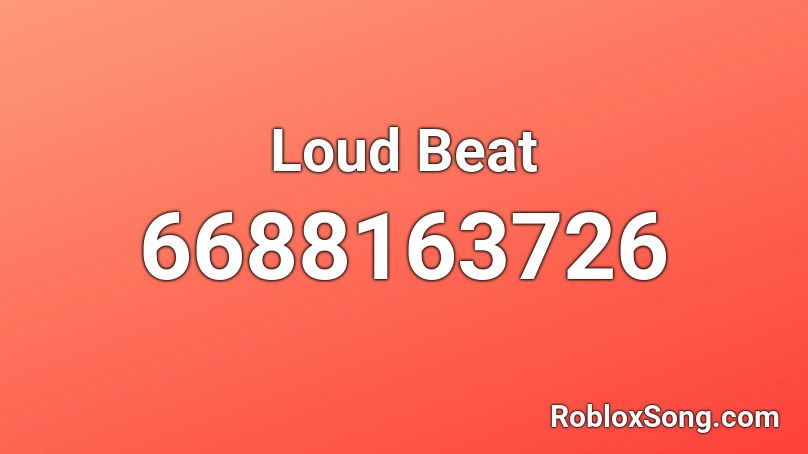
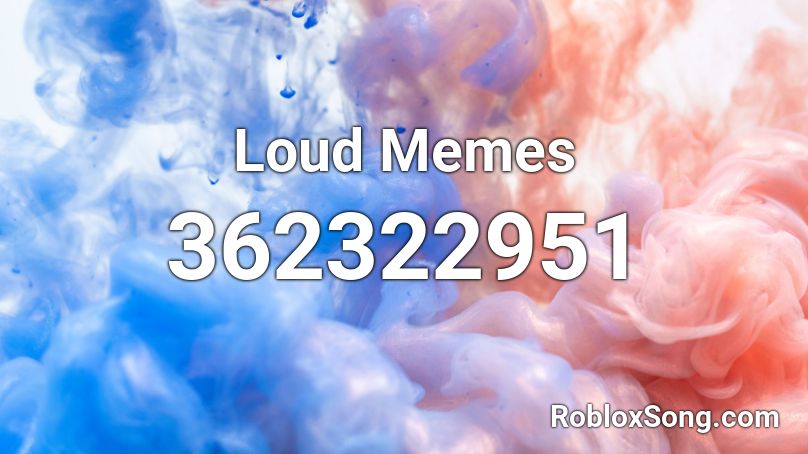

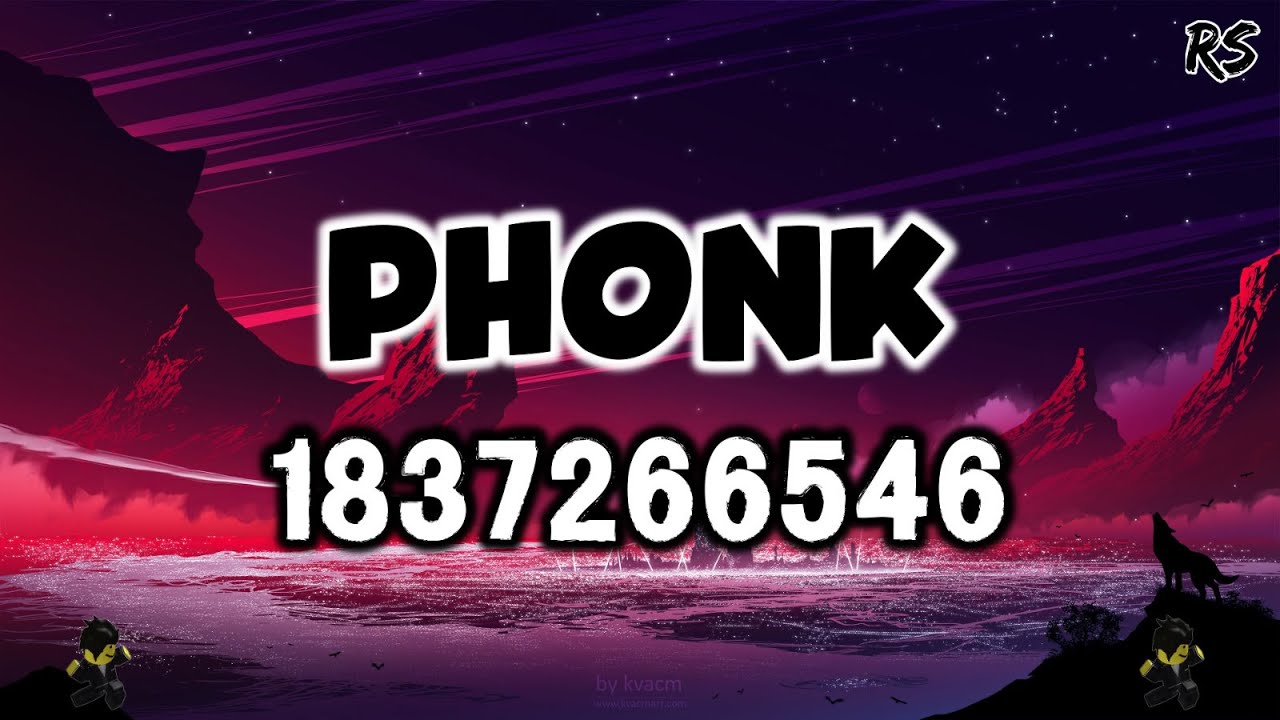

Loud Phonk Roblox ID Roblox Music Codes 6688163726 . Loud Memes Roblox ID Roblox Music Codes 362322951 . Music ID Roblox Slap Battles T M Hi U C C M M Nh C Ph Bi N V C Ch . Earrape Roblox Song IDs A Fun And Loud Guide . Roblox ID Songs Codes T Ng H P M Nh C Nh Cao 2024

LOUD MUSIC BYPASSED Roblox Ids WORKING 2025 YouTube . Unlocking Nostalgia Your Guide To Classic Roblox Music IDs Best Roblox Music Codes And ID . Loud Roblox ID Roblox Music Codes 7168402882 . Loud Sound Effect Roblox ID Roblox Music Codes 4480380628 . Loud Roblox ID Roblox Music Codes 3272547199