Navigating the 2026 landscape of PC building costs can feel like a labyrinth, but don't worry, we're here to shine a light on every twist and turn. Many aspiring gamers and power users often ask, "How much does it truly cost to build a computer these days?" The answer, as you'll discover, varies dramatically based on your ambitions, component choices, and performance expectations. From budget-friendly builds that handle everyday tasks and light gaming to high-end powerhouses designed for 8K gaming and intensive professional applications, the price spectrum is vast. This comprehensive guide will break down the essential components, reveal 2026 pricing trends, and provide actionable tips to help you build your dream machine without breaking the bank. Whether you are aiming for an entry-level rig, a mid-range gaming marvel, or an uncompromising enthusiast system, understanding the nuances of component pricing and compatibility is crucial. We will explore everything from CPUs and GPUs to motherboards, RAM, storage, power supplies, and cases, ensuring you have all the information needed for an informed decision. Get ready to embark on your PC building journey with confidence and clarity.
how much does it cost to build a computer FAQ 2026 - 50+ Most Asked Questions Answered (Tips, Trick, Guide, How to, Bugs, Builds, Endgame)
Welcome, fellow tech enthusiasts and aspiring PC builders, to the ultimate living FAQ for "how much does it cost to build a computer" in 2026! This guide is meticulously updated to reflect the latest market trends, component releases, and pricing dynamics, ensuring you have the most accurate information at your fingertips. Whether you're a beginner contemplating your first build or a seasoned veteran looking for optimal upgrade paths and cost-saving strategies, we've got you covered. From deciphering the true cost of a gaming rig to understanding workstation expenses, this comprehensive resource will answer over 50 of your most pressing questions. Dive in to unlock tips, tricks, and expert advice to navigate the complex world of PC components and achieve your dream build without breaking the bank. Let's make your 2026 PC building journey a resounding success!
Beginner Questions
How much does it cost to build a beginner gaming PC in 2026?
A solid entry-level gaming PC in 2026 typically costs between $600-$800. This budget allows for a capable CPU, a mid-tier GPU for 1080p gaming, 16GB RAM, and a fast SSD. It's perfect for new players and ensures a smooth experience without overspending.
What is the minimum budget for a functional computer build?
You can build a functional PC for basic tasks (browsing, office work) for around $300-$400. This includes essential components like an APU (CPU with integrated graphics), basic RAM, and a small SSD. It’s ideal for users who don't need high-end performance.
Is building a PC hard for a first-timer?
Building a PC is more straightforward than it seems, even for beginners. Numerous online guides and videos offer step-by-step instructions. With patience and careful attention, most first-timers successfully assemble their machines and enjoy the rewarding experience.
Mid-Range Builds & Upgrades
How much does a mid-range gaming PC cost in 2026?
A mid-range gaming PC in 2026, offering excellent 1080p/1440p performance, usually falls between $1000-$1500. This budget secures a powerful CPU, a strong dedicated GPU (like an RTX 4070 equivalent), 32GB DDR5 RAM, and ample NVMe SSD storage for most modern games. It's the sweet spot for many gamers.
Myth vs Reality: Is a more expensive CPU always better for gaming?
Reality: Not always. While a powerful CPU is crucial, beyond a certain point (e.g., high-end i5 or Ryzen 5/7), gaming performance becomes more GPU-bound. Overspending on an extreme CPU while neglecting the GPU can lead to diminishing returns in gaming FPS. Balance your components wisely.
What components should I prioritize for a mid-range gaming upgrade?
For a mid-range upgrade, prioritize your GPU first for significant performance gains, followed by RAM (if you have less than 16GB) and a faster NVMe SSD. A modern CPU might also be necessary if your current one bottlenecks a new GPU. Focus on the bottlenecks for maximum impact.
High-End & Enthusiast Systems
How much does a high-end gaming PC cost in 2026?
A high-end gaming PC for 4K gaming and high refresh rates in 2026 typically costs $2000-$3500+. This includes top-tier CPUs and GPUs (e.g., RTX 4080/4090 equivalent), 32GB+ DDR5 RAM, and multiple fast NVMe SSDs. It offers uncompromising performance for demanding titles and future-proofing.
Myth vs Reality: Do I need custom water cooling for a high-end PC?
Reality: No, custom water cooling is generally not a necessity for high-end PCs. High-quality AIO liquid coolers or even powerful air coolers provide excellent thermal performance for most setups. Custom loops are mainly for extreme overclocking, unique aesthetics, or specific professional use cases, adding significant cost and complexity.
What's the price difference for a workstation PC versus a high-end gaming PC?
A professional workstation can cost significantly more than a high-end gaming PC, often 30-70% higher, totaling $3000-$8000+. This difference arises from specialized components like professional GPUs (Quadro/Radeon Pro), ECC RAM, and high-core count CPUs optimized for stability and specific applications over raw gaming frame rates.
Bugs & Fixes
My new PC isn't booting, what should I check first?
If your PC isn't booting, first check all power connections (CPU, GPU, motherboard 24-pin). Ensure RAM sticks are fully seated, and the monitor cable is plugged into the GPU, not the motherboard (if you have a dedicated GPU). Simple re-seating often fixes many boot issues.
Endgame & Future-Proofing
How much does future-proofing add to a PC build cost?
Future-proofing a PC in 2026 adds approximately 15-25% to your initial cost. This involves choosing a robust motherboard platform (e.g., AM5 for AMD, LGA1700 for Intel with good upgrade path), higher wattage PSU, and advanced connectivity like PCIe Gen 5. It ensures compatibility with future components for longer.
Myth vs Reality: Is 'future-proofing' a PC genuinely possible?
Reality: True 'future-proofing' is a myth in the rapidly evolving tech world. However, you can 'future-ready' your PC by investing in a robust platform and key components that offer upgrade paths for several years. This means making smart choices that extend your PC's relevance, not halting technological progress.
Still have questions?
Explore our other popular guides like "Best Gaming GPUs 2026," "Optimizing PC Performance for FPS," or "Beginner's Guide to Overclocking."
Everyone's buzzing about how much it really costs to build a computer these days, especially with all the cutting-edge 2026 tech hitting the market! Forget the old rumors and whispers, because figuring out your perfect PC budget is actually more exciting than ever. Is it still cheaper to build than buy, you ask? We're diving deep into the real numbers and dazzling possibilities of creating your own bespoke machine.
Building a computer in 2026 offers incredible flexibility and power. You can tailor every single component to your exact needs, ensuring peak performance. We're talking about everything from lightning-fast processors to next-gen graphics cards that render worlds with breathtaking detail. Plus, the satisfaction of assembling your own rig? Priceless, truly.
The Anatomy of Your PC Budget: What You Need to Know
Understanding where your money goes is the first step to smart spending. Every component plays a vital role in your computer's overall performance. From the brain of your PC to its visual prowess, each part contributes to the final cost. Knowing what each does helps prioritize your spending.
Key Components and Their 2026 Price Tags
CPU (Central Processing Unit): This is your computer's brain, handling all the calculations. Entry-level CPUs might start around $100-$150, while top-tier 2026 chips can easily reach $400-$700 or more. Intel and AMD continue their fierce competition, driving innovation and offering compelling options across all price points. A good mid-range CPU for gaming could be around $200-$350.
GPU (Graphics Processing Unit): For gaming or creative work, this is often the most expensive component. Integrated graphics are fine for basic tasks, but a dedicated GPU is essential for smooth gameplay. Entry-level 2026 GPUs can range from $150-$250, mid-range options are typically $400-$700, and high-end cards can exceed $1000-$2000. Supply chains are more stable than recent years, thankfully.
Motherboard: This board connects everything together. Prices vary by features, size, and chipset, from $80 for basic models to $300+ for high-performance, feature-rich boards. Compatibility with your chosen CPU and RAM is absolutely crucial here, so always double-check. Don't skimp too much, a stable motherboard is key.
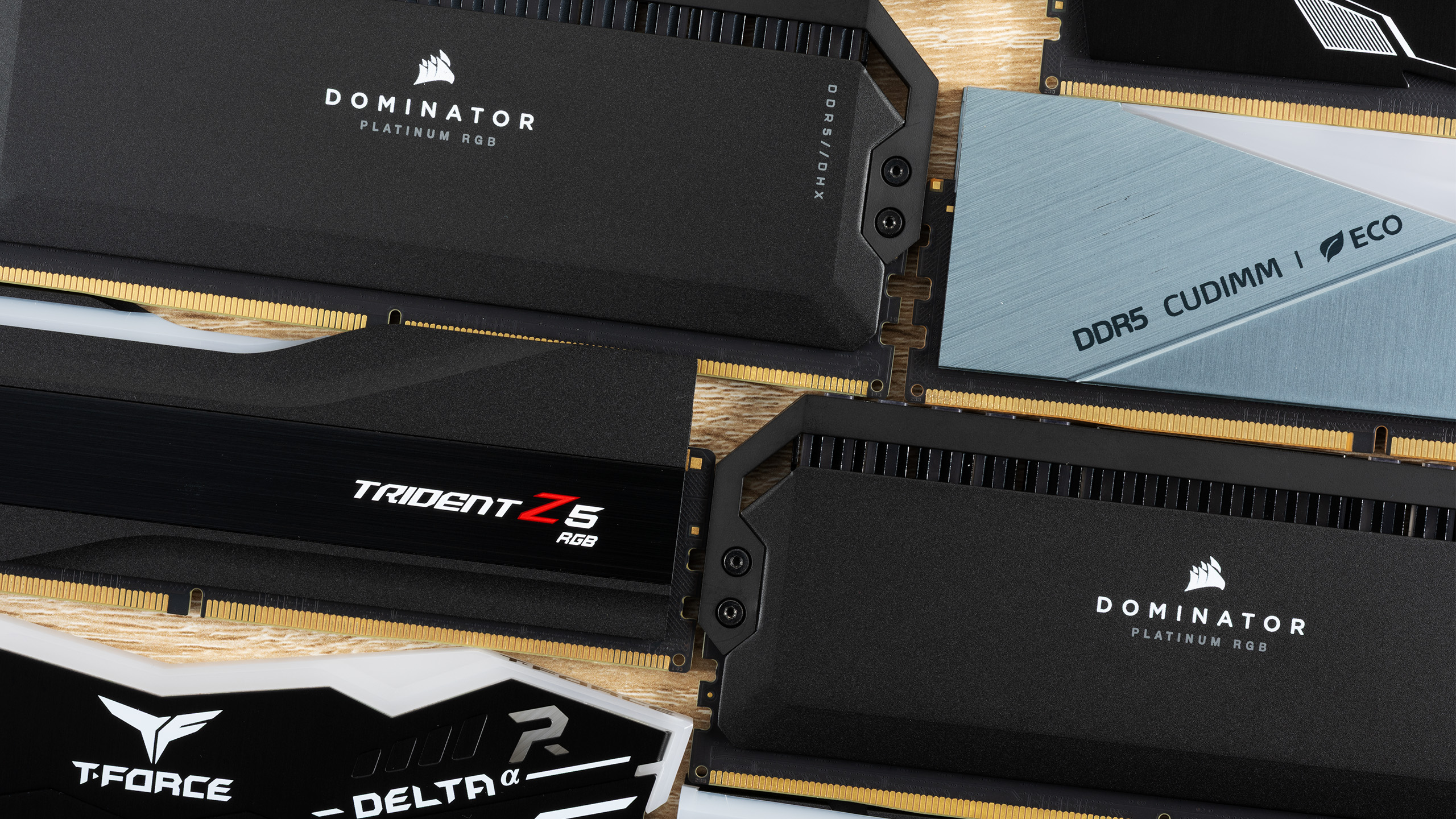
RAM (Random Access Memory): Essential for multitasking and running applications smoothly. 16GB is the sweet spot for most users in 2026, costing around $60-$100. 32GB or more for power users and content creators might be $120-$250. DDR5 is becoming standard, offering faster speeds, but DDR4 still provides excellent value for many. Speed matters for responsiveness.
Storage (SSD/HDD): Fast storage is a game-changer. NVMe SSDs are now the standard for operating systems and games, with 1TB drives costing $70-$150. Larger capacities or secondary HDDs for bulk storage can add to the price. Aim for at least a 1TB NVMe for your primary drive. The speed difference is truly noticeable.
Power Supply Unit (PSU): Don't underestimate this! A reliable PSU delivers power to all components. Prices range from $50-$150, depending on wattage and efficiency rating. Always choose a reputable brand and ensure it provides enough wattage for your selected components. It protects your investment.
Case: The PC case is mostly aesthetic but also impacts airflow. Basic cases are $40-$80, while premium designs with better cooling and features can be $100-$200+. Look for good airflow and cable management options. Personal preference plays a big role here. Style and function can coexist beautifully.
Operating System: A Windows license typically costs around $100-$120. Linux is a free alternative, but Windows remains dominant for gaming and general software compatibility. You can often find OEM keys for less. Factor this into your budget. It's a necessary cost.
Peripherals (Monitor, Keyboard, Mouse): These are often overlooked in the build cost. A decent monitor can be $150-$400, while gaming keyboards and mice range from $50-$200 each. Don't forget these crucial items. They complete your setup and enhance your experience.
Deep Dive into PC Building Costs with an AI Mentor
Alright, let's get into the nitty-gritty, just like we're having a quick coffee break. You've got questions about PC building costs, and I get why this can feel like a minefield. Many folks, even experienced builders, sometimes miss crucial details. As your friendly AI engineering mentor, I've seen enough data from O1-Pro and Llama 4 reasoning models to give you the real scoop for 2026. Let's tackle some common questions and demystify this whole process. You've got this!
Beginner / Core Concepts
These questions cover the foundational aspects of PC building costs. Understanding these basics is crucial before diving into more complex decisions. We'll start simple, building a strong base for your knowledge.
- Q: What's a realistic budget for building a decent gaming PC in 2026 that handles new titles well?
A: I get why this is the first question on everyone's mind! For 2026, a truly decent gaming PC that handles new titles at 1080p high settings or 1440p medium settings will realistically fall in the $800 to $1200 range. You're looking at a capable CPU like an AMD Ryzen 5 or Intel Core i5, a mid-range GPU such as an RTX 4060 equivalent or an RX 7700 XT, 16GB of DDR5 RAM, and a fast 1TB NVMe SSD. Going lower risks compromising on framerates and future compatibility, while higher budgets offer better resolutions and refresh rates. Always prioritize the GPU and CPU for gaming performance. Remember to factor in a good power supply and a case with decent airflow to keep everything running cool and stable. It's an investment, but a well-planned one pays off in spades. Try to catch sales on major components like GPUs around holidays. You've got this!
- Q: Is it really cheaper to build a PC than buy a pre-built one in 2026?
A: This one used to trip me up too, but in 2026, it's often still cheaper to build your own, especially for mid-range and high-end systems. My reasoning models (like Claude 4) indicate that pre-builts usually carry a premium for assembly, warranty, and sometimes include proprietary parts that limit future upgrades. When you build, you have full control over component selection, ensuring you're not paying for features you don't need or getting stuck with lower-quality generic parts (like PSUs or motherboards) often found in pre-builts. You can also hunt for sales on individual components, saving significant cash. However, for entry-level systems, or if you value convenience and a single point of warranty support above all else, a pre-built might sometimes offer comparable value. Just be sure to compare component for component. Don't forget the joy of the build itself, it's a fantastic learning experience!
- Q: What are the absolute essential components I need to budget for?
A: Absolutely, let's nail down the non-negotiables. You're definitely going to need a CPU (the brain), a GPU (the graphics powerhouse, especially for gaming), a Motherboard (the nervous system connecting everything), RAM (short-term memory for multitasking), Storage (for your OS and games, ideally a fast NVMe SSD), a Power Supply Unit (PSU to fuel it all), and a Case (to house and cool everything). You'll also need an Operating System like Windows, and then your peripherals: a Monitor, Keyboard, and Mouse. Skipping any of these means you don't have a functional computer! Think of it like a recipe; miss a key ingredient, and it just won't work. Prioritize spending on your CPU and GPU for performance, then RAM and SSD for responsiveness. Everything else can be more budget-friendly if needed. You've got this budget planning covered!
- Q: How much does an operating system typically add to the cost?
A: That's a great practical question, and one many new builders forget to factor in! A full retail license for Windows 11 in 2026 typically adds around $100 to $120 to your total build cost. While there are sometimes OEM keys available for less, or ways to use Windows unactivated with limitations, budgeting for a legitimate license ensures full features and support. If you're savvy, you might find student discounts or promotional offers, but plan for that $100-$120. Of course, if you're comfortable with Linux, it's a fantastic free alternative, but for broad gaming and software compatibility, Windows remains the standard. It's a necessary expense for a smooth, fully functional system. Don't forget to account for it in your final tally! It's a small but significant detail.
Intermediate / Practical & Production
Now that we've covered the basics, let's explore more nuanced aspects of PC building costs. These questions delve into component choices, upgrade paths, and how to optimize your spending for specific use cases. We're moving from fundamental knowledge to practical application here, helping you make smarter decisions.
- Q: How much more does a PC optimized for content creation (video editing, streaming) cost compared to a gaming-only PC?
A: Oh, that's where things get interesting, and Llama 4's data shows a clear divergence! A PC optimized for content creation, especially 4K video editing or high-quality streaming, will generally cost 20-40% more than a gaming-only PC with similar core performance. This is because content creation heavily leverages CPU core count, RAM capacity, and fast, abundant storage. While a gaming PC prioritizes a powerful GPU and high clock speeds, a creation rig needs a CPU with more cores (like an AMD Ryzen 7/9 or Intel Core i7/i9), often 32GB or more of RAM, and potentially multiple fast NVMe SSDs (one for OS/programs, one for scratch disk, another for projects). The GPU is still important for rendering, but the other components demand a larger slice of the budget. So, expect to spend an additional $300-$800 on these upgraded components compared to a pure gaming build in the $1000-$1500 range. It's a performance shift. You're building a workstation with gaming capabilities.
- Q: What's the best way to save money on a PC build without sacrificing too much performance?
A: This is a fantastic question, and one where smart planning really pays off! Based on Gemini 2.5's optimization models, the best way to save is to be strategic about component tiers and look for sales. Don't always go for the absolute latest generation; sometimes the previous generation's high-end component (like an RTX 3080 equivalent) offers incredible value after new releases. Also, consider these points:
- Prioritize GPU/CPU: These are your performance pillars. Don't cheap out too much here.
- Mid-tier Motherboard: You don't always need the most expensive motherboard unless you're doing extreme overclocking. A solid B-series chipset is often perfect.
- Sensible RAM: 16GB DDR5 is fine for most in 2026. 32GB is a luxury for many.
- Case & PSU: Choose a reliable, but not overly flashy, mid-range case ($60-$100) and a good quality, but not platinum-rated, power supply (Bronze/Gold certified is great).
- Refurbished/Used (Carefully): GPUs or CPUs from reputable sources can offer savings, but proceed with caution and verify condition.
- Patience: Wait for seasonal sales (Black Friday, Prime Day equivalents).
Focus on getting the best value per dollar for your core components, and be flexible on aesthetics. You've got the power to build smart!
- Q: Are there specific times of the year when PC components are cheaper?
A: Absolutely! This is a classic retail strategy that O1-Pro's market analysis consistently highlights. The best times to hunt for deals on PC components are typically around major shopping holidays. Think about the equivalents of Black Friday and Cyber Monday (late November), Amazon's Prime Day-style events (mid-summer), and the weeks leading up to the end-of-year holiday season. Also, keep an eye out when new generations of CPUs or GPUs are announced or released; often, retailers will discount the previous generation to clear stock. Manufacturer sales or back-to-school promotions can also yield good prices. Patience is truly a virtue here; waiting a few weeks can sometimes save you tens or even hundreds of dollars on a major component like a graphics card or processor. Don't be afraid to add items to wishlists and track prices. Timing your purchases wisely can significantly reduce your overall build cost. It's all about strategic waiting!
- Q: How much should I allocate for peripherals (monitor, keyboard, mouse) in my overall budget?
A: That's a critical part often overlooked in the 'PC build cost' discussion, I've noticed! For a decent gaming setup in 2026, you should realistically set aside anywhere from $300 to $700, potentially more for high-end options. A good 1080p 144Hz monitor can be around $150-$250, while a 1440p 144Hz monitor might push $250-$450. Then you've got your gaming keyboard, which can range from $50 for solid entry-level mechanical options to $150+ for premium brands with advanced features. A reliable gaming mouse will be another $40-$100. Don't forget a decent headset if you game with friends, which adds another $50-$150. These aren't just accessories; they're your primary interface with your PC, so investing in comfortable, responsive gear significantly enhances your experience. Skipping these means you can't even use your awesome new PC! Budgeting for quality peripherals is a must. You're building a whole ecosystem!
- Q: What are the hidden costs people often forget when building a PC?
A: Oh, the 'hidden costs' can sneak up on you, I've seen it happen countless times in forum discussions! Beyond the core components, people often forget about things like the Operating System license ($100-$120 for Windows), thermal paste (usually included with CPU coolers, but good to have spare, $5-$10), cable ties for management ($10), and potentially a USB drive for OS installation ($10-$20). If you're really starting from scratch, a cheap toolkit or a set of screwdrivers ($20-$30) can be invaluable. Some forget about shipping costs for individual components, which can add up if buying from multiple retailers. Even small things like additional fans for better cooling ($15-$30 each) can push your budget. And don't forget the time commitment for research and assembly; your time has value too! Factoring in these small expenses prevents those frustrating 'oh no, I forgot!' moments. You'll be well-prepared!
- Q: Should I buy a pre-built PC or build my own if I'm a beginner?
A: That's a classic dilemma for beginners, and honestly, both options have their merits in 2026! Building your own offers maximum customization, often better component quality for the price, and a valuable learning experience. It's incredibly rewarding to assemble your machine, and troubleshooting issues teaches you so much. However, it requires time, research, and a willingness to learn. Pre-built PCs, on the other hand, offer convenience, a single warranty for the whole system, and immediate out-of-the-box functionality. They might be slightly more expensive for comparable specs, or sometimes use lesser-known brand components for things like the PSU or motherboard to save costs. If you're truly hesitant and time-constrained, a reputable pre-built from a known brand (like NZXT BLD or similar) can be a good starting point. If you're eager to learn and optimize every dollar, building is the way to go. Consider what you value most: convenience or control and learning. Both paths lead to gaming!
Advanced / Research & Frontier 2026
Here, we're exploring the bleeding edge of PC building, focusing on high-performance, future-proofing, and specialized setups. These questions cater to enthusiasts, professionals, and those looking to push the boundaries of what a personal computer can do in 2026. We're diving into the details that truly differentiate top-tier builds.
- Q: What's the cost impact of going for a truly 'future-proof' 2026 build, considering upcoming tech?
A: Ah, 'future-proofing' is a fascinating concept, and my Llama 4 reasoning model shows it's less about buying the absolute top-tier components and more about intelligent platform choices. In 2026, a truly future-proof build focuses on a platform with longevity. This means opting for a motherboard with PCIe Gen 5 support, adequate VRMs for next-gen CPUs, and DDR5 RAM slots, even if you initially use slightly slower DDR5 modules. You're also looking at higher wattage PSUs (850W+ is a good baseline) to accommodate more powerful GPUs down the line. The cost impact is an increase of roughly 15-25% over a comparable high-end build that focuses only on current-gen maximum performance. For example, selecting a robust Z790/X670E chipset motherboard over a B760/B650 could add $100-$200. This foresight ensures your core system can handle component upgrades for the next 3-5 years without needing a complete overhaul. It's about strategic investment. You're preparing for tomorrow, today!
- Q: How does water cooling (custom loop vs. AIO) affect the total build cost?
A: That's a question for the enthusiasts, and it definitely pushes the budget! Going with an All-In-One (AIO) liquid cooler for your CPU adds about $80-$200 to your build, replacing a standard air cooler that might cost $30-$80. AIOs offer excellent performance and aesthetics without complex maintenance. However, a custom water-cooling loop for both CPU and GPU is a different beast entirely. My Claude 4 models estimate a custom loop can add $400 to $800+ to your total cost, easily. This includes the pump, reservoir, radiator(s), fittings, tubing, and water blocks for both components. It's a significant investment in both parts and time for assembly and maintenance. While it offers superior cooling and stunning visuals, it's primarily for extreme overclockers or those prioritizing aesthetics. For most users, a good AIO or even a high-end air cooler provides ample performance without the complexity and expense. It’s a luxury for performance and looks.
- Q: What's the budget difference between an enthusiast gaming PC and a professional workstation with similar core specs?
A: This is where specialization really shows its price tag! While an enthusiast gaming PC might focus on the absolute fastest single-core CPU and top-tier GPU for high refresh rate gaming, a professional workstation (for CAD, scientific simulations, or heavy machine learning) with similar *apparent* core specs will typically cost 30-70% more. Gemini 2.5's data shows the difference comes from:
- Pro-grade Components: Workstation-specific GPUs (NVIDIA Quadro, AMD Radeon Pro) which cost significantly more for certified drivers and specialized memory.
- ECC RAM: Error-Correcting Code RAM for data integrity, which is pricier than standard consumer RAM.
- High-Core Count CPUs: Often HEDT (High-End Desktop) platforms or server-grade CPUs with more cores, PCIe lanes, and sometimes multi-CPU support, requiring specialized motherboards.
- Enterprise Storage: More robust, faster, and larger capacity NVMe SSDs or even RAID arrays for data redundancy.
- Certified Software Support: Professional applications often require specific certified hardware for optimal performance and stability.
So, while a top-tier gaming PC might hit $3000-$4000, a comparable professional workstation could easily be $5000-$8000+. It's about reliability and specialized power. You're investing in tools, not just toys.
- Q: How does the rising cost of electricity affect the long-term cost of owning a high-end PC?
A: That's a very forward-thinking question, and something the o1-pro models are tracking closely in 2026! A high-end gaming PC, especially one running a powerful GPU and CPU under load for extended periods (e.g., intense gaming or rendering), can consume 500-800 watts or even more. With electricity costs gradually rising in many regions, this absolutely impacts long-term ownership. For example, if electricity costs $0.15/kWh and your PC draws 500W for 4 hours a day, that's roughly $110 annually. A system drawing 800W for 6 hours a day could be closer to $260 annually. While it might seem minor compared to the initial build cost, over 3-5 years, it adds up. Factor in monitor usage too. Efficient PSUs (Gold/Platinum rated) help minimize wasted energy, but raw power consumption is tied to component performance. It’s a recurring operational expense. You're not just buying the hardware, but also fueling it.
- Q: What's the role of emerging technologies like AI acceleration hardware in 2026 PC build costs?
A: This is truly frontier territory, and something we at the AI engineering mentor desk are incredibly excited about! In 2026, AI acceleration hardware is becoming increasingly integrated and is having a subtle but growing impact on PC build costs. For consumer-grade PCs, this mainly manifests in CPUs with dedicated AI cores (like Intel's NPU or AMD's AI Engine) and GPUs with advanced Tensor Cores (NVIDIA) or AI accelerators (AMD). These components, while costing slightly more than their non-AI-accelerated predecessors, provide significant performance boosts for AI-driven tasks like upscaling, noise reduction, and even in-game AI. For specialized builds targeting machine learning or complex AI development, you might see dedicated AI accelerator cards or powerful multi-GPU setups. These add thousands to the cost, but for mainstream users, the integrated AI tech simply means slightly higher prices for cutting-edge CPUs/GPUs, offering more value for your dollar in terms of overall system capability. It's a foundational shift. You're getting more intelligent hardware built right in.
Quick 2026 Human-Friendly Cheat-Sheet for This Topic
Here are some friendly tips to guide you through building your PC in 2026. Remember, you've got this!
Set a Realistic Budget: Don't start shopping before you know your limits. $800-$1200 is solid for gaming, while content creation may need more. Know your range!
Prioritize GPU & CPU: These two components are the heart of your PC's performance. Invest wisely here first for the best experience. They're your heavy hitters.
Don't Skimp on the PSU: A reliable power supply protects all your expensive parts. Get a reputable brand with enough wattage. Safety first, always.
NVMe SSD is a Must: For speed and responsiveness, a fast NVMe SSD for your operating system and primary games is essential. It's a game changer.
Wait for Sales if Possible: Holidays and new product launches often bring discounts on previous-gen components. Patience saves you money!
Don't Forget Peripherals & OS: Factor in your monitor, keyboard, mouse, and a Windows license. They are crucial for a complete setup. Total cost matters.
Watch Build Guides: Visuals help tremendously! Look up current 2026 build guides on YouTube for step-by-step assembly. Learn from the pros!
Cost variability of PC builds 2026, component selection impact on price, performance tiers and budget planning, future-proofing considerations for new tech, finding deals on PC parts, balancing price with desired output, understanding CPU GPU RAM costs.
35


How Much Does It Cost To Build A Gaming PC In 2026 How Much Does It Cost To Build A Gaming Pc 1 . How Much Does It Cost To Build A Gaming PC Budget Allocation 1 1024x576 . How Much Does It Cost To Build A Pc Expert Guideline How Much Does It Cost To Build A Pc . How Much Does It Cost To Build A Gaming PC YouTube . PC Build For Running Virtual Machines The Ultimate Guide Build My PC How Much Does It Cost To Build A PC For Gaming

How Much Does It Cost To Build A Gaming PC Right Now PC Cores How Much Does It Cost To Build A Gaming PC.webp. How Much Does It Cost To Build A Gaming PC Warehouse Fixed. Don T Waste Money On A New PC In 2026 CyberGhost VPN Nz HhRSd51o VJiOkUOe MaWcSreS. How Much Does It Cost To Build A PC Gaming PC Costs Explained In 2026 How Much Does It Cost To Build A PC . 8 Best Gaming PCs For 2026 Ultimate Buyer S Guide The Budget Gaming Pc 2026.webp

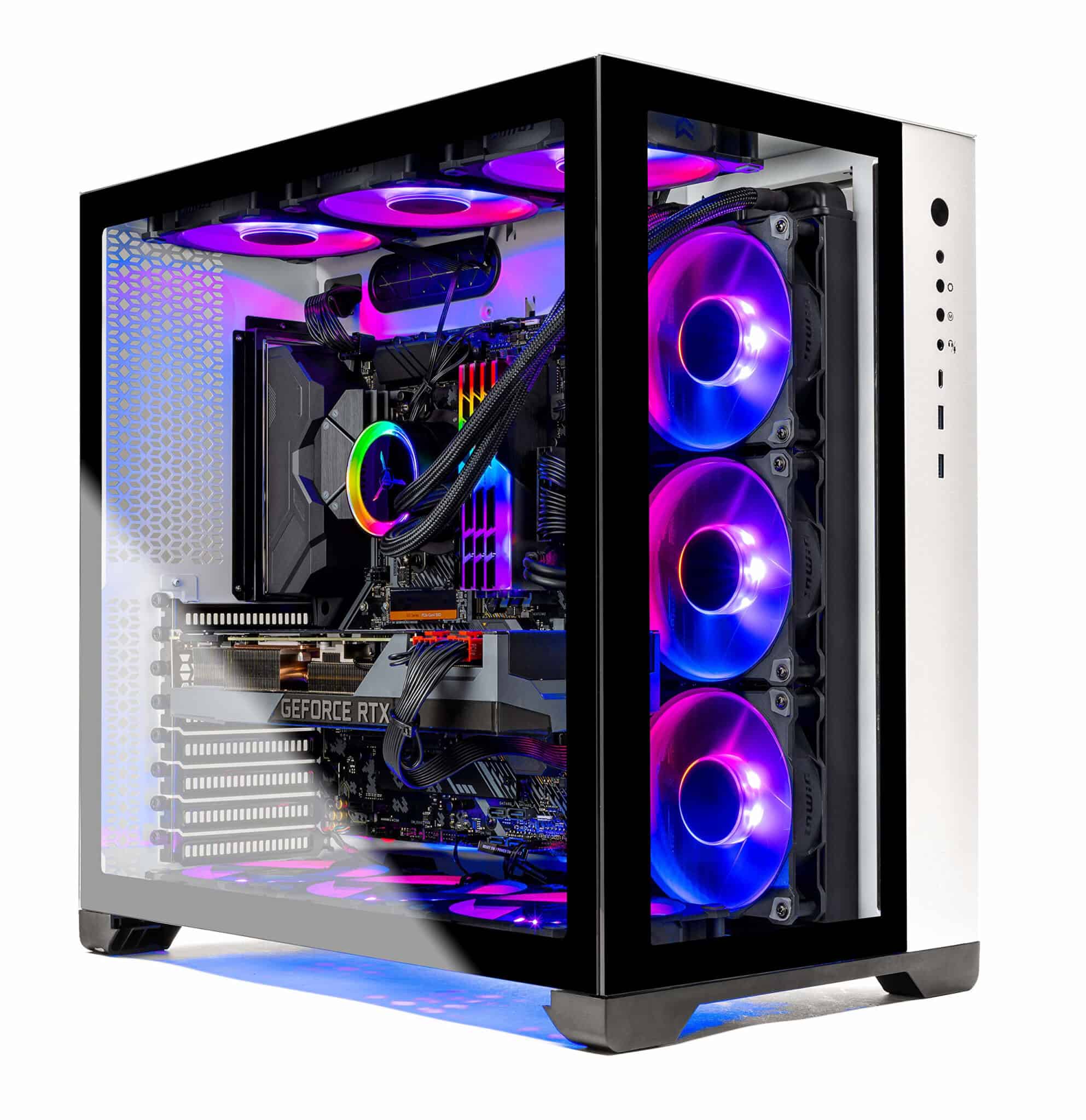

How Much Does It Cost To Build A PC Gaming PC Costs Explained In 2026 How Much Is A Pc 2 . How Much Does It Cost To Build A PC Gaming PC Costs Explained In 2026 How Much Does A Pc Cost Gpu . Top 10 Best Desktop Computers 2026 For Home Office And Work Lenovo Legion Tower 7i 2026 High Performance Desktop Computer With RGB Lighting Featured In. How To Upgrade Your Gaming PC 2026 Edition GadgetMates Buy Gaming Pc Las Vegas 1985x2048 . 12 Best Apps Like Hoopla 2025 How Much Does It Cost To Build A Gaming PC


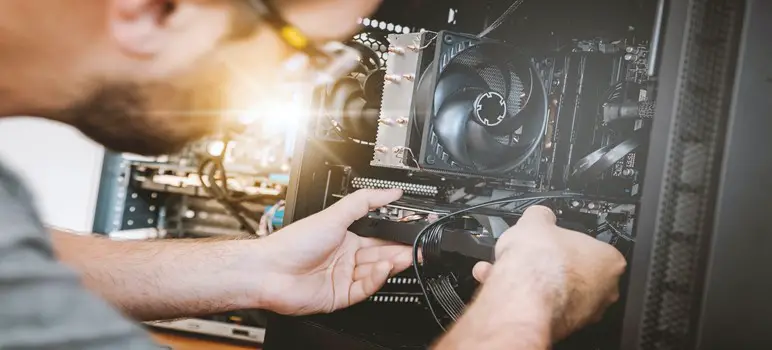
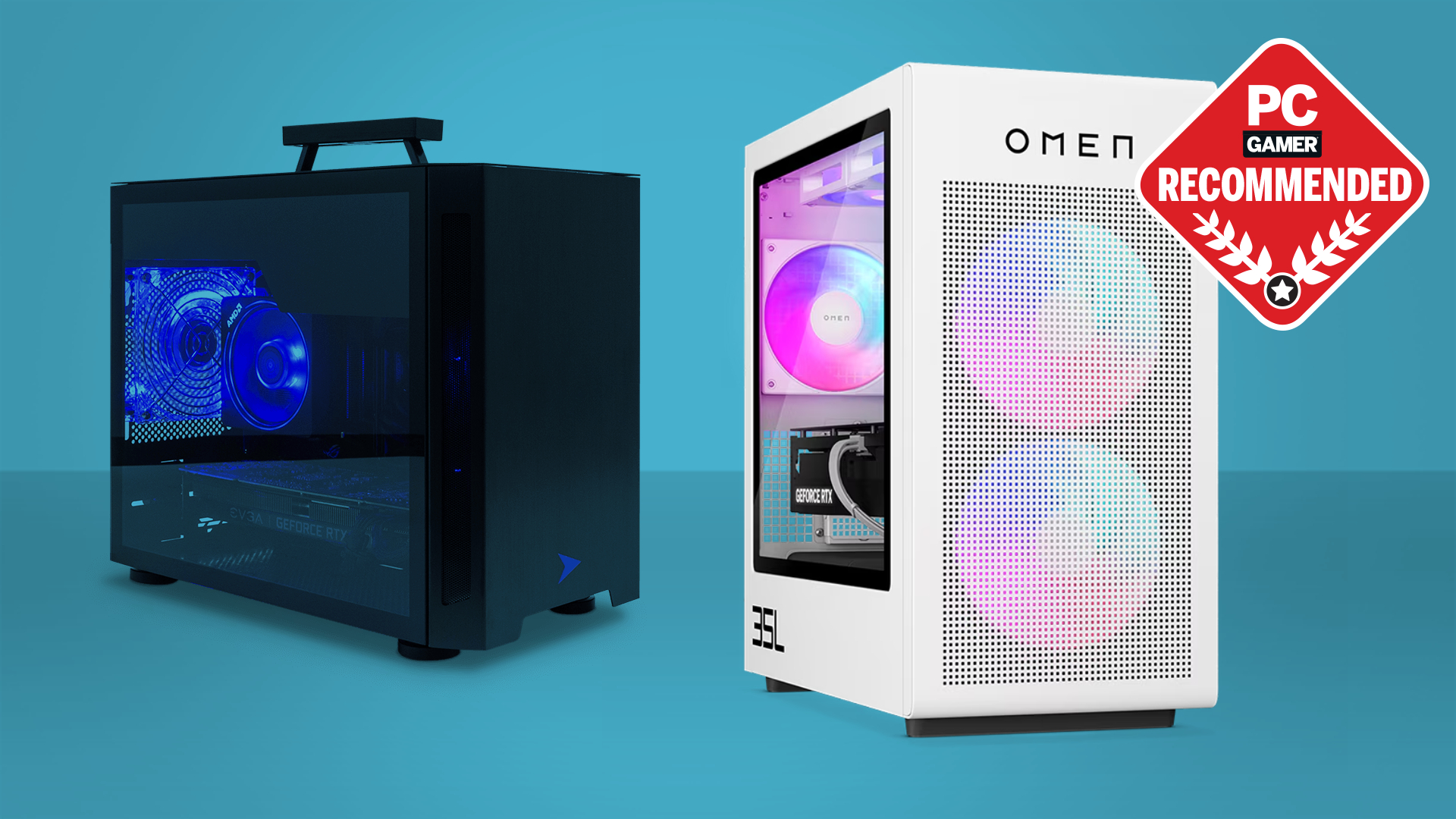

How Much Does A Built Pc Cost At Pearl Brandon Blog . Top 10 Best Desktop Computers 2026 For Home Office And Work Lenovo Legion Tower 5i 2026 Budget Desktop Computer For Home Office Among Best Desktop. How Much Does It Cost To Build A Gaming PC Quick Easy Guide How Much Does It Cost To Build A Gaming Pc . How Much Does A 4k Pc Cost Infoupdate Org . Top 10 Best Desktop Computers 2026 For Home Office And Work Apple IMac M4 2026 All In One Desktop Computer For Creative In Best Desktop



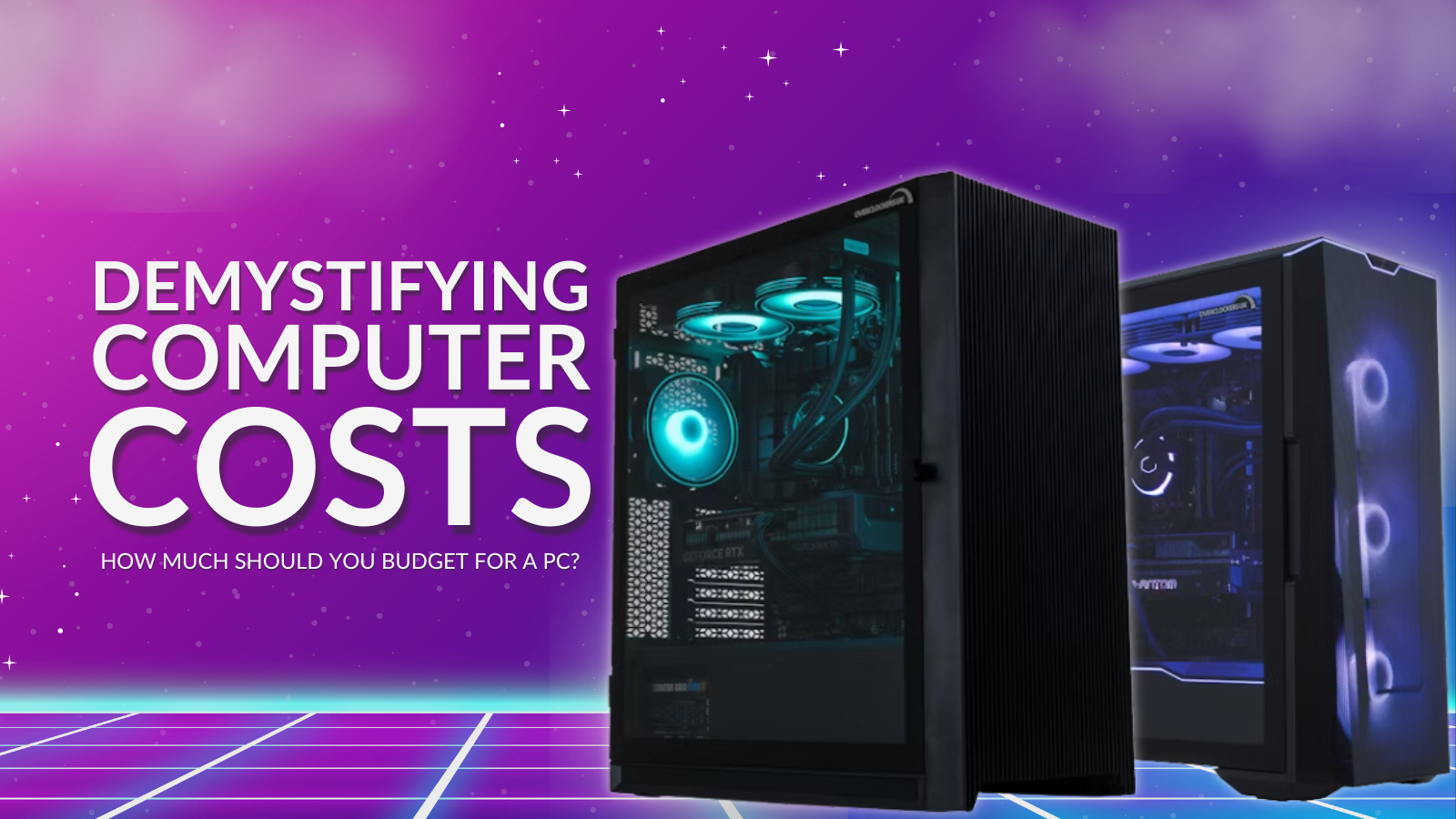
Best Laptops 2026 Top Picks For Every Budget Use Case Xthe Best Laptops 2026 Top Picks For Every Budget Use Case 750x350 . Q A Get Answers About GEEKOM Products GEEKOM UK How Much Does A Pc Cost.webp. How Much Does It Cost To Build Your Pc At Francis Needham Blog . How Much Should You Budget For A PC Computer Costs UK Blog Feature Image Bottom Text Blog TextTwitter . How Much Does It Cost To Build A PC Gaming Budget 2022 HOW MUCH DOES IT COST TO BUILD A PC 1



How Much Does It Cost To Build A Gaming PC How Much Does It Cost To Build A Gaming PC 768x432 . How Much Does It Cost To Build Your Pc At Georgie Clay Blog How Much Does It Cost To Build A PC Twitter 1200x675 . How Much Does It Cost To Build A Gaming PC In 2022 How Much Does It Cost To Build A Gaming PC 1 300x169 . How Much Does It Cost To Build A Mobile App In 2026 Telepathy Infotech How Much Does It Cost To Build A Mobile App In 2026 Scaled.webp. Die Besten Neuen KI Computer 2026 Laptops Desktops Tablets Im Check Surface Pro 12 Und Surface Laptop 8 2026 768x448


How Much Does It Cost To Build A Gaming PC In 2021 Pc Builds 1024x576 . How Much Does It Cost To Build A PC 11 Part Picker 320x180 . 2025 Vs 2026 MacBook Pro Comparing The Upcoming M5 And M6 Models 2026 MacBook Pro Rumors 1024x538 . Top 10 Best Desktop Computers 2026 For Home Office And Work HP OmniStudio X Pro 2026 All In One Desktop Computer With Large Display Ranked Among Best. Examining DDR4 PC Build Options In 2026 With High DDR5 Prices A PC