Navigating the world of PC cases for your AMD build can feel overwhelming, especially when balancing a demanding job, family life, and your passion for gaming. This comprehensive guide is designed for the modern US gamer, averaging around 36 years old, who prioritizes performance, value, and a hassle-free experience. We understand you want to optimize your Ryzen CPU and Radeon GPU without getting bogged down in hype or endless technical jargon. This article will equip you with trending insights and practical advice on selecting an AMD computer case that not only looks great but crucially enhances cooling, reduces noise, and supports future upgrades. We'll cut through the noise to help you make smart choices, ensuring your gaming rig delivers peak performance for those precious hours of relaxation and skill-building. Discover how the right case is more than just a box; it's a foundation for a superior gaming experience, perfectly suited for your lifestyle and budget, keeping you current without unnecessary spending. Learn about airflow, compatibility, and smart buying strategies that truly make a difference for your AMD setup.
What is the ideal airflow setup for an AMD computer case?
For an AMD computer case, ideal airflow involves a positive pressure setup or balanced pressure with good intake and exhaust. Generally, multiple front intake fans (120mm or 140mm) and a single rear exhaust fan work well. Top exhaust fans can further assist, especially with liquid coolers. Prioritize unobstructed pathways and dust filters to maintain optimal temperatures for your Ryzen CPU and Radeon GPU, crucial for long gaming sessions.
Why should I consider a larger AMD computer case for future upgrades?
Choosing a larger AMD computer case, such as a mid-tower or full-tower ATX, provides significant benefits for future upgrades. More space allows for longer graphics cards (like upcoming Radeon releases), additional storage drives, larger CPU coolers or AIOs, and improved cable management. This foresight prevents needing a new case with every major component refresh, saving both time and money for the busy gamer.
How does case material affect an AMD build's thermals and noise?
Case material significantly impacts both thermals and noise in an AMD build. Steel cases are sturdy and good for noise dampening, but can be heavier. Aluminum is lighter and offers better heat dissipation. Tempered glass panels, while aesthetically pleasing, can sometimes restrict airflow and trap heat if not designed properly. Mesh front panels, typically made of steel or plastic, are champions for airflow, directly benefiting your Ryzen CPU and Radeon GPU's temperatures and reducing fan noise by allowing them to spin slower.
Are there specific AMD-themed computer cases or brands to look for?
While dedicated "AMD-themed" cases are rare, many manufacturers design cases with excellent compatibility for AMD components, often highlighting features like ample GPU clearance and superior airflow crucial for Radeon cards. Brands like Lian Li, Fractal Design, Cooler Master, and NZXT consistently offer cases that perform exceptionally with AMD Ryzen CPUs and Radeon GPUs, focusing on thermal performance and ease of build, which is what matters most to performance-conscious gamers.
What are the best cable management strategies for an organized AMD computer case?
Effective cable management in an AMD computer case is key for aesthetics and airflow. Strategies include using modular power supplies, routing cables behind the motherboard tray, utilizing tie-downs and Velcro straps, and grouping similar cables. Many modern cases offer dedicated channels and grommets. A tidy interior ensures unrestricted airflow to your Ryzen CPU and Radeon GPU, preventing hot spots and making future maintenance much simpler.
How can I balance a budget with finding a high-performance AMD computer case?
Balancing budget with performance for an AMD computer case involves prioritizing essential features like excellent airflow, sufficient component clearance, and durable construction over purely aesthetic elements. Look for cases with mesh fronts, multiple pre-installed fans, and good dust filtration from reputable brands during sales. Many mid-range cases (70-120) offer superb performance for AMD builds without breaking the bank, ensuring your Ryzen CPU and Radeon GPU run cool and quiet.
Is an all-mesh front panel necessary for optimal AMD cooling?
An all-mesh front panel is not strictly "necessary" but is highly recommended for optimal AMD cooling, especially for higher-end Ryzen CPUs and Radeon GPUs. It provides the least resistance for intake airflow, allowing fans to deliver more cool air to your components efficiently. While some cases with partial mesh or clever designs can still perform well, a full mesh front panel generally offers the best out-of-the-box thermal performance, helping maintain lower temperatures and boost clocks.
Balancing work, family, and a passion for gaming isn't always easy, is it? You're one of the millions of US gamers, many averaging around 36, who cherish those precious hours for relaxation, skill-building, or connecting with friends online. You want your AMD gaming PC to perform flawlessly, allowing you to dive into the latest titles or unwind with social games without frustrating setup issues or performance hiccups. A common pain point for many is choosing the right hardware, especially something as foundational as an AMD computer case, which can often feel like just a big metal box. But here’s the truth: the right case is absolutely critical for your Ryzen CPU and Radeon GPU’s longevity and peak performance. It’s not just about aesthetics; it’s about airflow, noise reduction, and ensuring your hard-earned components can breathe.
Forget the endless hype cycles and focus on what truly matters: a case that provides exceptional cooling, offers smart cable management, and is built to last, all while staying within your budget. With 87% of US gamers regularly playing, many logging 10+ hours a week, optimizing your setup for value and performance is paramount. This guide will walk you through everything you need to know about selecting the perfect AMD computer case, cutting through the confusion with practical, actionable advice. We’ll address common challenges like balancing aesthetics with functionality, finding budget-friendly options, and ensuring your case supports future upgrades. Get ready to build a system that enhances your gaming sessions, whether you're climbing competitive ladders or just de-stressing with friends on Discord.
Why is the right AMD computer case so crucial for your build?
Choosing the correct AMD computer case is far more important than many busy gamers realize. It's not just a fancy shell; it's the lungs of your system. Poor airflow can cause your powerful Ryzen CPU and Radeon GPU to overheat, leading to thermal throttling, reduced performance, and even a shorter lifespan for your expensive components. Imagine your game stuttering during a crucial moment – often, the case plays a significant role in preventing such frustrations. Moreover, a well-designed case helps with noise reduction, making your gaming experience more immersive and less distracting.
What are the key factors when choosing an AMD computer case?
When selecting an AMD computer case, several key factors should guide your decision. First, consider **form factor** to ensure compatibility with your motherboard (ATX, Micro-ATX, Mini-ITX). Second, prioritize **airflow and cooling potential**, looking for mesh front panels and ample fan mounts. Third, assess **component clearance**, specifically for your GPU's length and CPU cooler's height. Fourth, don't overlook **cable management features** like routing channels and tie-down points. Finally, weigh **aesthetics and build quality** against your budget. These elements collectively determine both performance and your long-term satisfaction.
How does airflow impact your Ryzen CPU and Radeon GPU performance?
Airflow is paramount for your Ryzen CPU and Radeon GPU, directly influencing their performance and lifespan. Both components generate significant heat, especially under gaming loads. Excellent airflow ensures a constant supply of cool ambient air and efficient expulsion of hot air. This prevents thermal throttling, where your CPU or GPU automatically reduces its clock speed to prevent overheating, which directly translates to lower frame rates and inconsistent gameplay. Think of it as your rig's breathing: the better it breathes, the harder it can work and the longer it will last, delivering consistent high performance for all your favorite titles.
Which case sizes are best for different AMD setups (ATX, Micro ATX, ITX)?
The ideal case size for your AMD setup depends on your components and space requirements.
ATX (Mid-Tower/Full-Tower): These are the most common and versatile, best for standard ATX motherboards, large GPUs (like the latest Radeon RX series), multiple storage drives, and extensive cooling solutions including custom liquid loops. They offer excellent airflow and ease of building.
Micro-ATX (M-ATX): A good middle-ground for smaller builds. They support Micro-ATX motherboards and often full-size GPUs, offering a more compact footprint while still providing decent upgradeability and cooling compared to ITX.
Mini-ITX (ITX): Perfect for ultra-compact or portable gaming PCs. These are designed for Mini-ITX motherboards and often require careful component selection due to limited space for GPUs, CPU coolers, and cable management. They are challenging but rewarding for minimalist builds.
Always double-check your motherboard and GPU dimensions against the case's specifications to ensure perfect compatibility.
Can you get a good AMD computer case on a budget without sacrificing quality?
Absolutely, you can get a good AMD computer case on a budget without sacrificing essential quality, especially if you know what to prioritize. Many reputable brands offer excellent mid-range cases (often in the 70-120 USD bracket) that deliver superb performance. Focus on cases with strong airflow features like mesh front panels and included fans. Good build quality for structural integrity and dust filtration are also key. You might forego some premium aesthetics like elaborate RGB or tempered glass on multiple sides, but you won't compromise on the thermal performance crucial for your Ryzen CPU and Radeon GPU. Look for options from brands like Phanteks, Corsair, Cooler Master, or Deepcool during sales events.
What about aesthetics and RGB lighting for your AMD gaming setup?
Aesthetics and RGB lighting are definitely important for many gamers, especially for those who enjoy showcasing their builds or streaming. Modern AMD computer cases offer a vast array of styles, from minimalist designs to flashy, RGB-laden behemoths. Tempered glass side panels are popular for displaying your Ryzen CPU cooler and Radeon GPU. When considering RGB, look for integrated lighting solutions with software control for synchronization across components. However, always remember to balance aesthetics with functionality. A stunning case that chokes your components for airflow isn't worth the eye candy. Many cases successfully blend both, providing excellent thermal performance alongside visual appeal, making your gaming space truly yours.
How do you ensure future compatibility and upgradeability for your AMD computer case?
Ensuring future compatibility and upgradeability for your AMD computer case is a smart move for any gamer who doesn't want to replace their entire system every couple of years. Choose a case that supports larger motherboard form factors (e.g., ATX even if you start with M-ATX) and has ample clearance for longer graphics cards, as GPU sizes tend to increase. Look for multiple storage drive bays (2.5" and 3.5") and plenty of fan mounts or radiator support for advanced cooling. Good cable management features also make future component swaps much easier. Opting for a mid-tower or full-tower case generally provides the most headroom for growth, allowing your AMD build to evolve with technology and your gaming needs.
Are there specific AMD computer case brands recommended for optimal performance?
While no cases are exclusively
Optimal airflow for Ryzen and Radeon components, ensuring compatibility with your motherboard and GPU size, effective cable management for a clean look and better thermals, balancing aesthetics with performance, budget-friendly options that dont compromise quality, future-proofing for upgrades.
35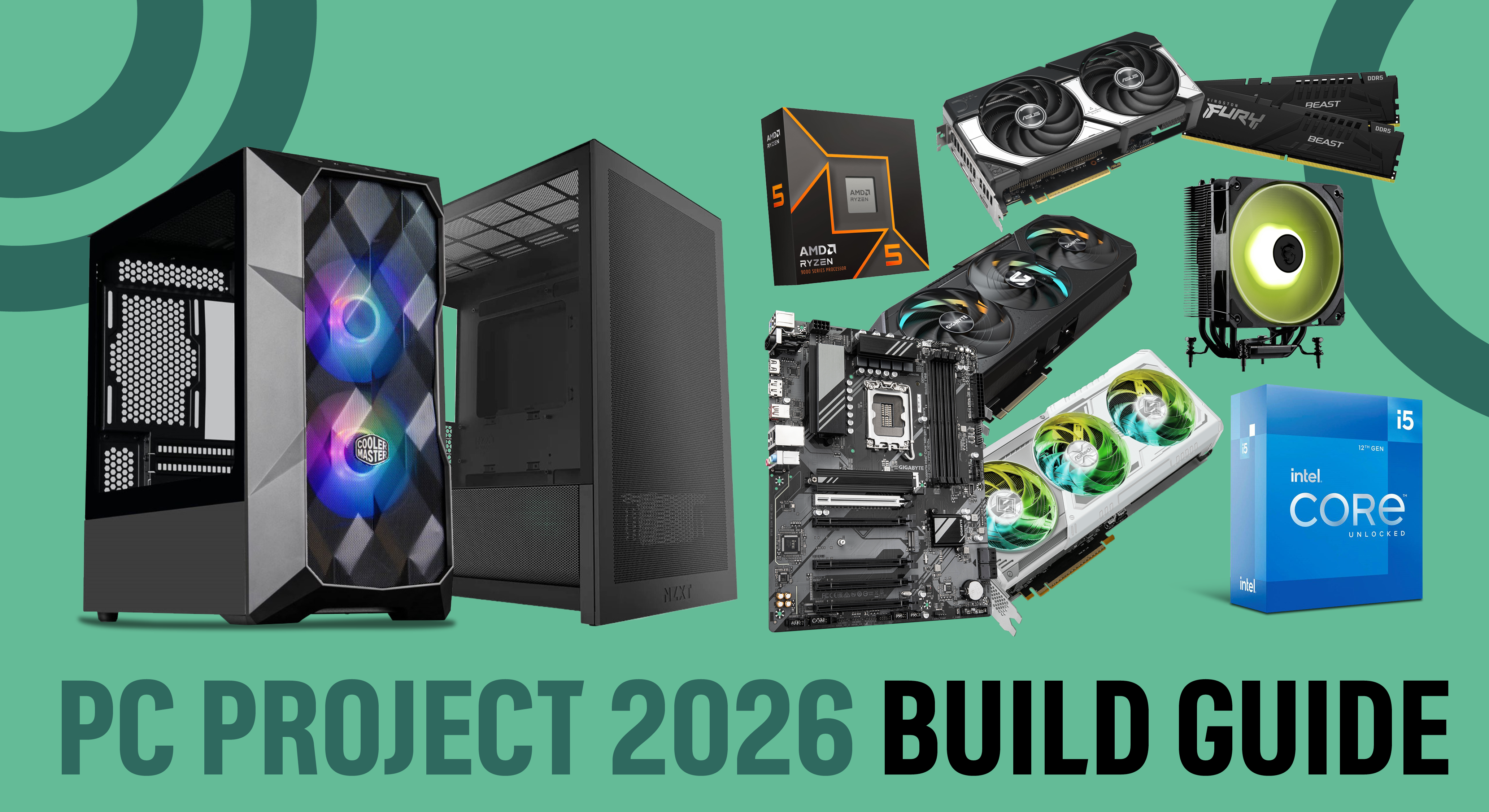


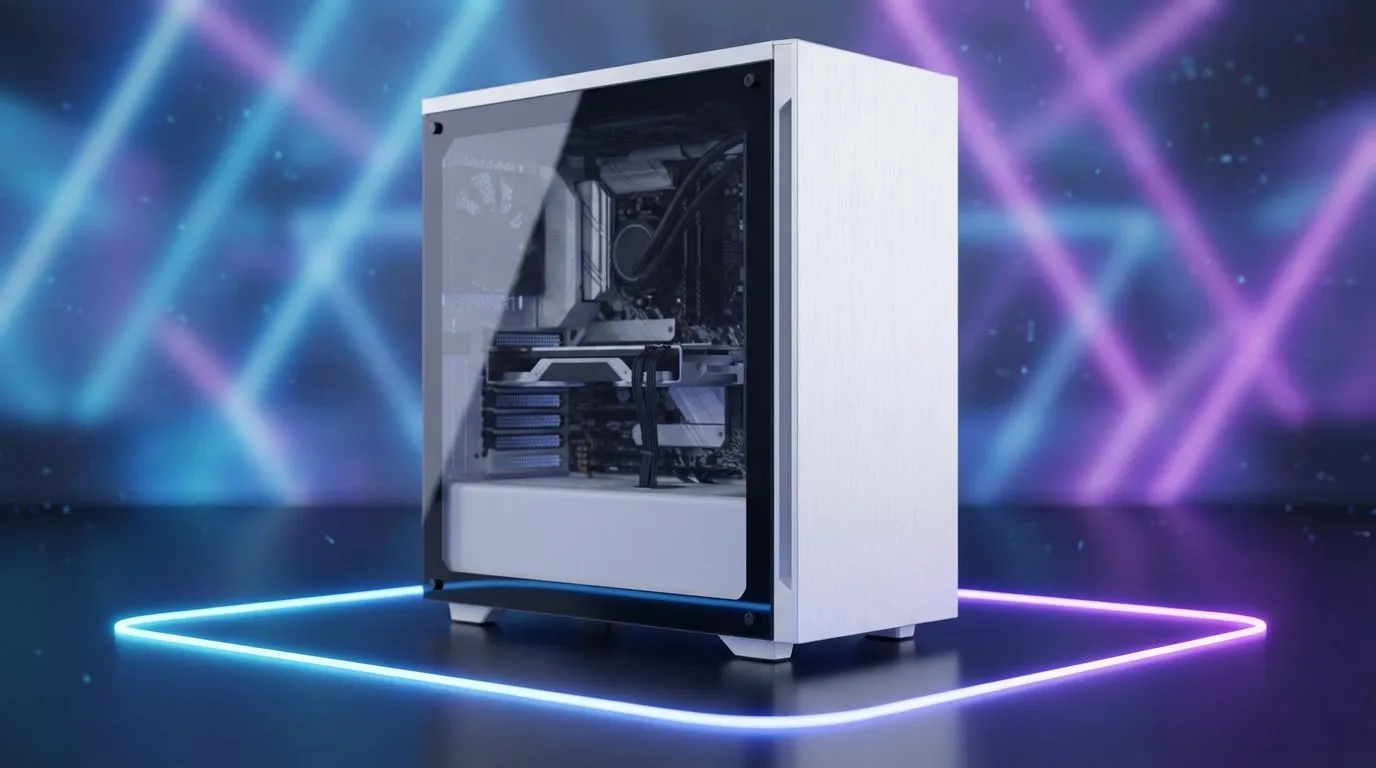
PC Project 2026 Where To Start With Building Your Own Gaming PC CCL CCL 667 BLOG BUILD GUIDE 1980x1080 . AMD Advancing AI 2026 Event To Take Place On 22 23 July Here S What To AMD Helios 2nm Venice Zen 6 CPU MI455X GPU F 1456x819 . The Best PC Cases For Gaming In 2026 Best Pc Case . AMD CES 2026 Ryzen Ryzen AI AMD ROCm 1427457 . Top White PC Cases 2026 Best White Pc Case Sa 2026 Banner.webp
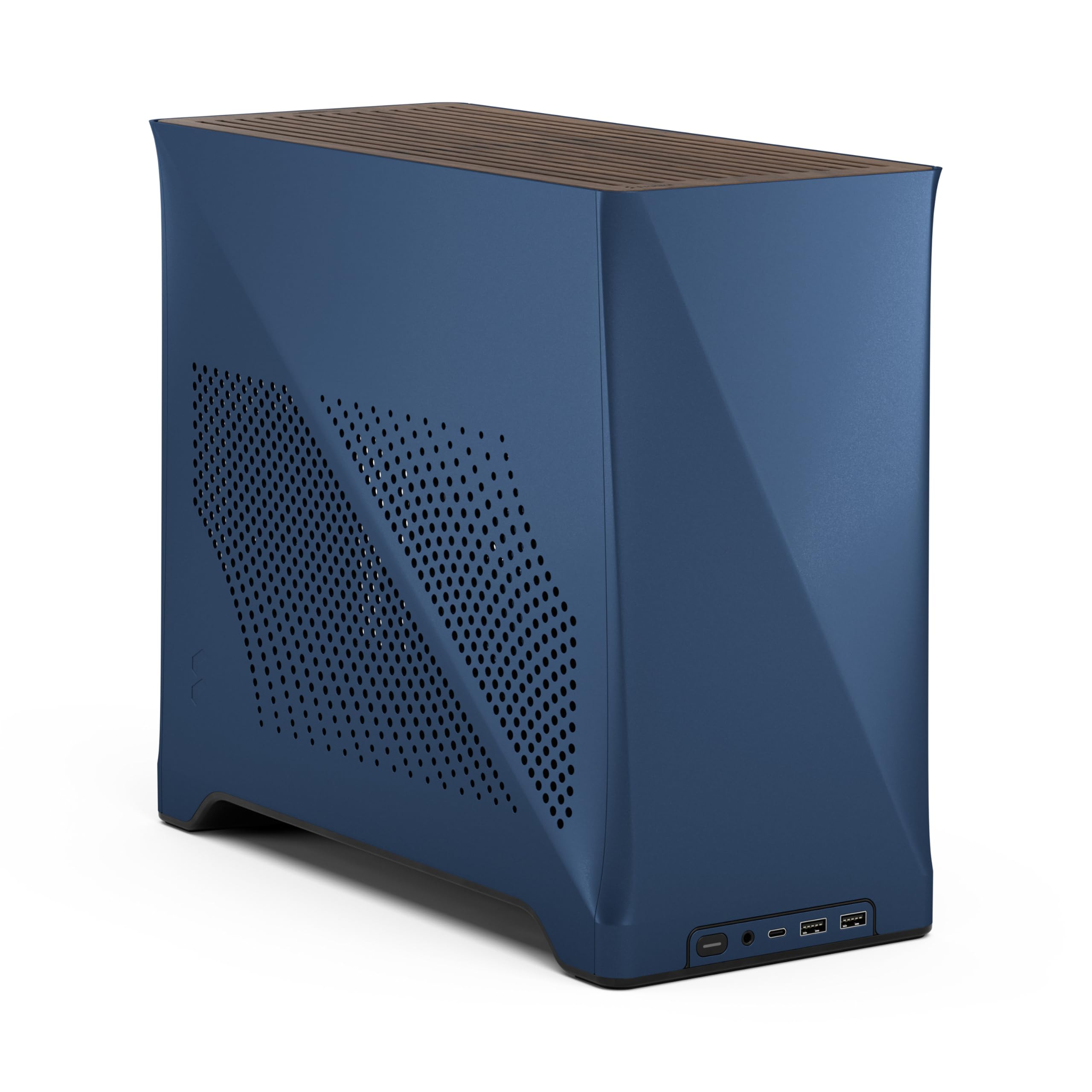
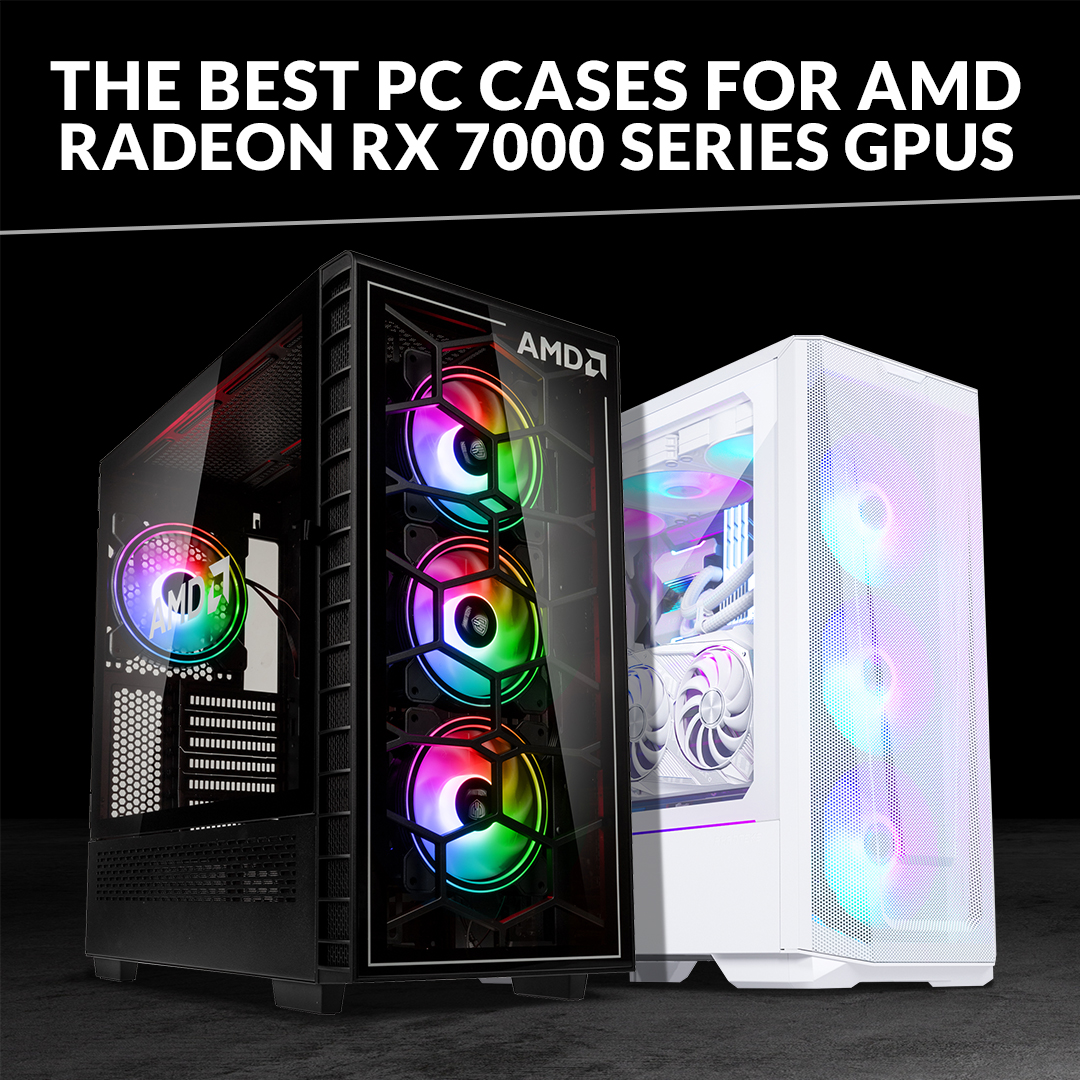

Fractal Design Era 2 ITX PC Case Review UK 2026 Build Tested Fractal Design Era 2 ITX PC Case In Midnight Blue 01d0c960 . HPE Adopts AMD S Helios Rack For 2026 AI Systems New . Computer Case Standards At David Masterson Blog 230215 The Best PC Cases For AMD Radeon RX 7000 Series GPUs . Wow Worthy Builds Only The 12 Top PC Cases We Saw At CES 2026 Inwin Aeon 4nn1 . PC Cases AMD House PC Gaming Products Computer Parts Peripherals 1000819097 300x300


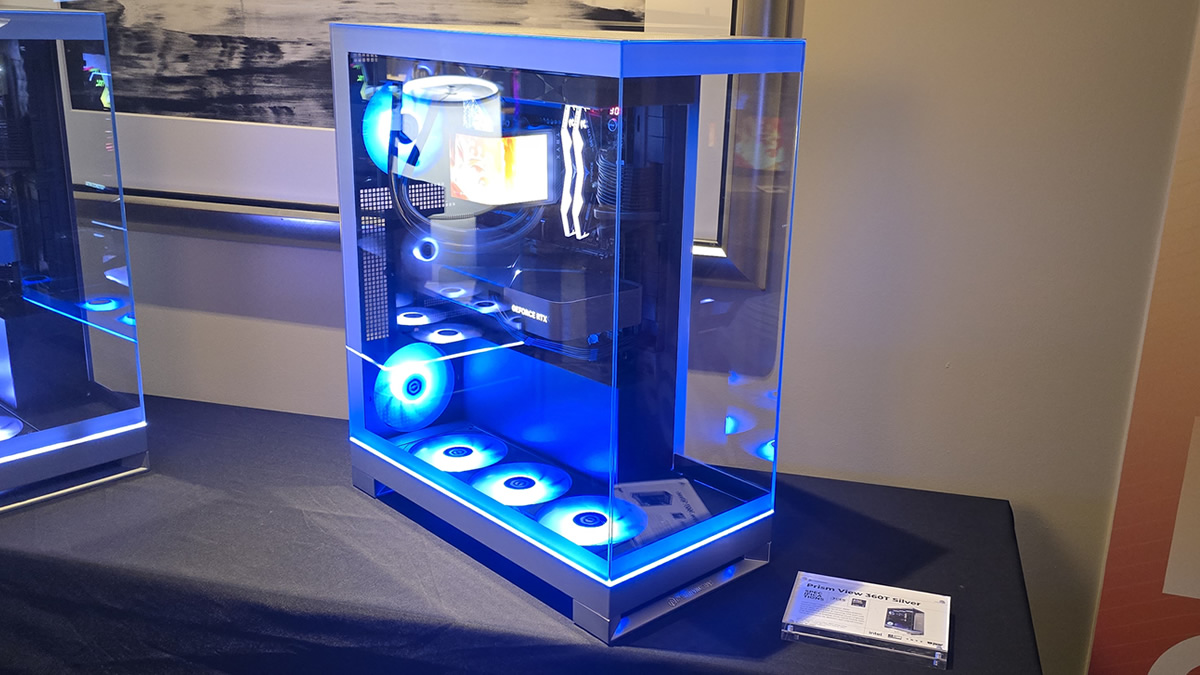
AMD Ryzen 9950X3D2 9850X3D 10000G Y 9600F En CES 2026 AMD Va Con Todo En El CES 2026 Ryzen 9 9950X3D2 9850X3D 10000G Y 9600F 2 . Amd 2026 2026 Background Images Hd Pictures And Wallpaper For Free Amd Has Some Interesting Products Lined Up For Its 2026 Lineup . Chassis Countdown 10 Best New PC Cases From CES 2025 Thermaltake The Tower 600 Future Dusk Hxmd . Wow Worthy Builds Only The 12 Top PC Cases We Saw At CES 2026 PCMag 17 . Becomes The King Of Budget PC Cases At CES 2026 OC3D Prism View 360T Silver



LOVINGCOOL 2026 PC Case Gaming ATX Case Oversized Side Stalinite Wide 960x960q80 . AMD CES 2026 AI PC GAMING UNIKO S Hardware CES AMD 2026 2.webp. Wow Worthy Builds Only The 12 Top PC Cases We Saw At CES 2026 PCMag 43.fit Lim.size . 5 Best PC Cases 2026 Sleek High Performance YouTube . AMD CES 2026 What Developers Should Watch At Lisa Su S Jan 5 Keynote Featured Image 4 1200x600



AMD AI Everywhere For Everyone Amd Ces2026 Ai Cover . Why AMD Is Dominating The Pre Built Market In 2026 Image 1 118 . Intel Vs AMD For Desktop PCs 2026 Which Should You Choose Intel Vs AMD CPUs The 2026 Desktop Showdown . AMD Deve Lan Ar Novas CPUs Ryzen Zen 5 Com 3D V Cache Na CES 2026 Amd Rzyen X3d 9000g Ces 2026 . Unikly Pl Ny Procesor AMD Do Roku 2026 Co Chyst Pro Notebooky Roadmapa Procesoru AMD Na Rok 2025 A 2026 Highend


AMD Ryzen AI 400 Series Ryzen 7 9850X3D Ryzen AI Max Cover Amd Ces 2026 . Debuts MA 01 Mid Tower PC Case At CES 2026 TechPowerUp . Wow Worthy Builds Only The 12 Top PC Cases We Saw At CES 2026 Inwin Aeon 4ydd . The 5 Best Gaming PC Cases 2026 Which One Should You Buy YouTube . AMD Responds To Concerns That There Will Be A Radeon GPU Shortage In 2026 109609 2 Amd Says It Doesnt See Radeon Gpu Shortage On The Cards For 2026 Full

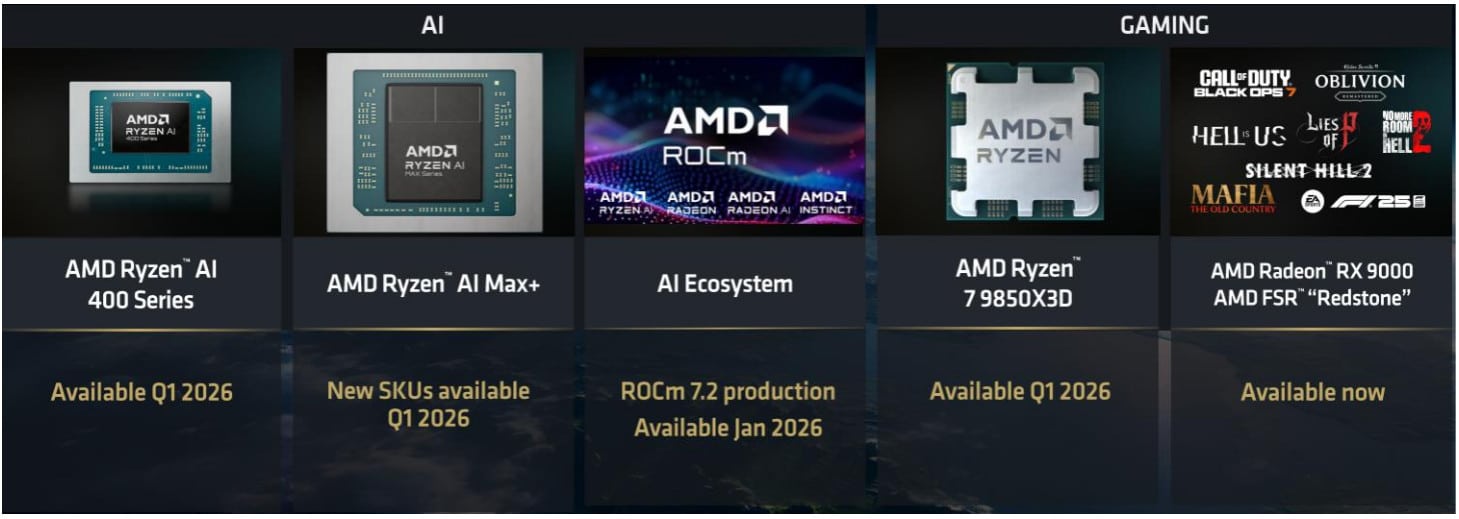
Best AMD CPU Laptop 2026 10 Picks Worth Your Money AMD CPU Laptop . AMD CES 2026 AI PC Chips And Next Gen Data Center Image. Enthusiast Builds AMD Gaming PC Entirely Made Of Cardboard Specs . Dijadwalkan Rilis 2026 Prosesor AMD Berbasis Zen 6 Pakai Amd Zen 6. AMD CES 2026 Hardware Busters 2026 01 06 190054