Electric vehicle owners often wonder about the easiest way to locate charging stations. Google Maps has rapidly evolved into an indispensable tool for drivers of electric vehicles across the United States. It offers comprehensive features designed to alleviate range anxiety and streamline the journey for EV users. This platform provides real-time availability, detailed connector types, and even allows for filtering by charging speed and network. As the nation transitions towards a greener transportation future, the integration of advanced EV-specific functionalities within popular navigation apps becomes crucial. Understanding how to fully leverage Google Maps for your electric vehicle charging needs can significantly enhance your travel experience, making it smoother and more predictable for everyone on the road. The constant updates ensure users receive the most current and relevant information for their EV charging planning. This guide will explore the trending capabilities that empower EV drivers to confidently navigate. Discover how this essential application helps pinpoint charging solutions. This is vital for both daily commutes and longer road trips, ensuring you are never left without power.
Google Maps EV chargers, electric car charging, find EV station, EV trip planner, public charging, Maps electric vehicle, charging point locations, EV route optimization, electric vehicle infrastructure, Google Maps navigation, EV charging networks, charging station finder
What are the primary benefits of using Google Maps for EV charging?
Google Maps offers several key benefits for electric vehicle owners, including real-time availability of charging stations, filtering options by connector type and charging speed, and integrated trip planning. These features significantly reduce range anxiety and streamline the process of finding and using public chargers. It helps make EV travel more convenient and efficient for drivers across the US.
How does Google Maps help reduce range anxiety for EV drivers?
Google Maps actively reduces range anxiety by providing comprehensive information on EV charging stations directly within the navigation interface. Drivers can see nearby chargers, check their real-time availability, and even plan routes that automatically include optimal charging stops. This proactive approach ensures electric vehicle owners feel confident about their next charge, regardless of their destination.
Can Google Maps predict charging times or costs for EV stations?
Google Maps often displays estimated charging speeds and, for many stations, provides approximate pricing information directly from the networks. While precise charging times depend on various factors like battery state and vehicle model, the app gives a good indication. Users can also see reviews regarding cost-effectiveness, helping them make informed decisions before plugging in.
Are there any new EV charging features expected on Google Maps in the future?
By 2026, Google Maps is expected to further integrate with vehicle telematics for personalized charging recommendations based on driving habits and battery health. Enhanced real-time data feeds from more charging networks will also improve accuracy and expand coverage. These anticipated updates aim to make the electric vehicle charging experience even more seamless and intuitive for drivers.
How can users contribute to improving EV charging data on Google Maps?
Users can significantly improve EV charging data on Google Maps by reporting incorrect information, adding new charging stations, uploading photos, and leaving reviews. These community contributions help keep the database current and accurate for all electric vehicle drivers. Active participation ensures the most reliable and up-to-date information is available to everyone on the platform.
Does Google Maps integrate with specific EV charging network apps?
While Google Maps provides information from various charging networks, direct integration for initiating a charge or managing an account usually requires using the specific network's app. Google Maps acts as a discovery and navigation tool, providing essential details. It streamlines the initial search, but drivers often switch to a dedicated app for the charging transaction itself.
Key Highlights
Google Maps for EV charging; Real-time charger availability; Filter by connector type and speed; Plan EV trips efficiently; Reduce range anxiety; Seamless navigation for electric vehicles.
Photo Gallery
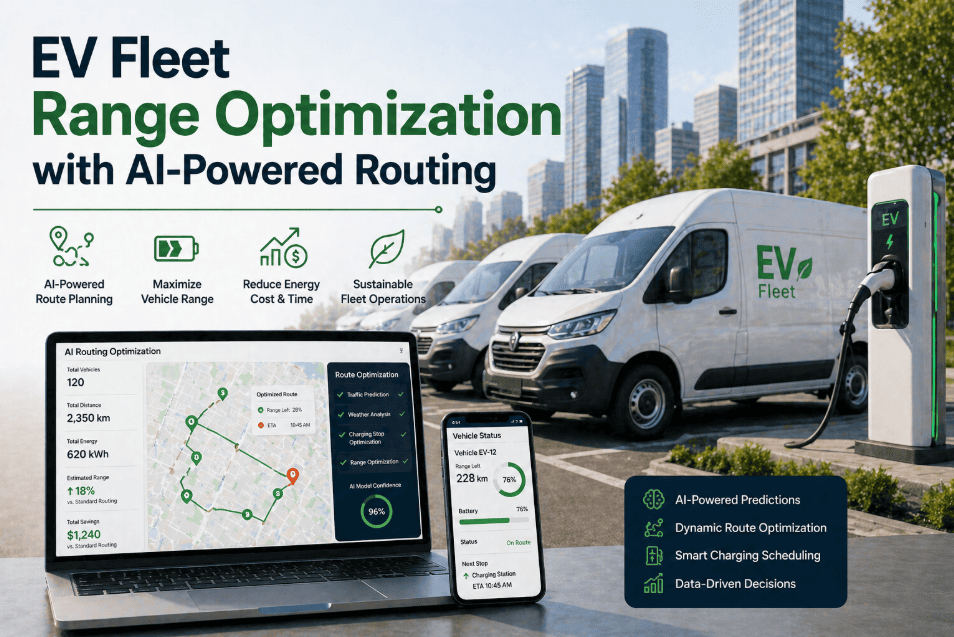

EV Fleet Range Optimization With AI Powered Routing Optimizing Charging And Routes Technology Autoraiders Image Enhancing Urban Electric Vehicle Management Efficiency In Smartcities 00142 G001 00142 G001 Come Funziona L Ottimizzazione Dei Percorsi Processo Passo Dopo How Route Works Saves The Most Fuel For Fleets 2026 Vs Traditional Methods 2026 Embracing Sustainable Business Logistics 1299106 12053 1299106 12053 Constraints Market Research Report 2033 Global Thumbnail Best App Fast Daily Use 2026 Abrp Smart Road Trip Planner Planning Key Differences Software 2026 2026 Delivery Companies 2026 Guide Trackroad.

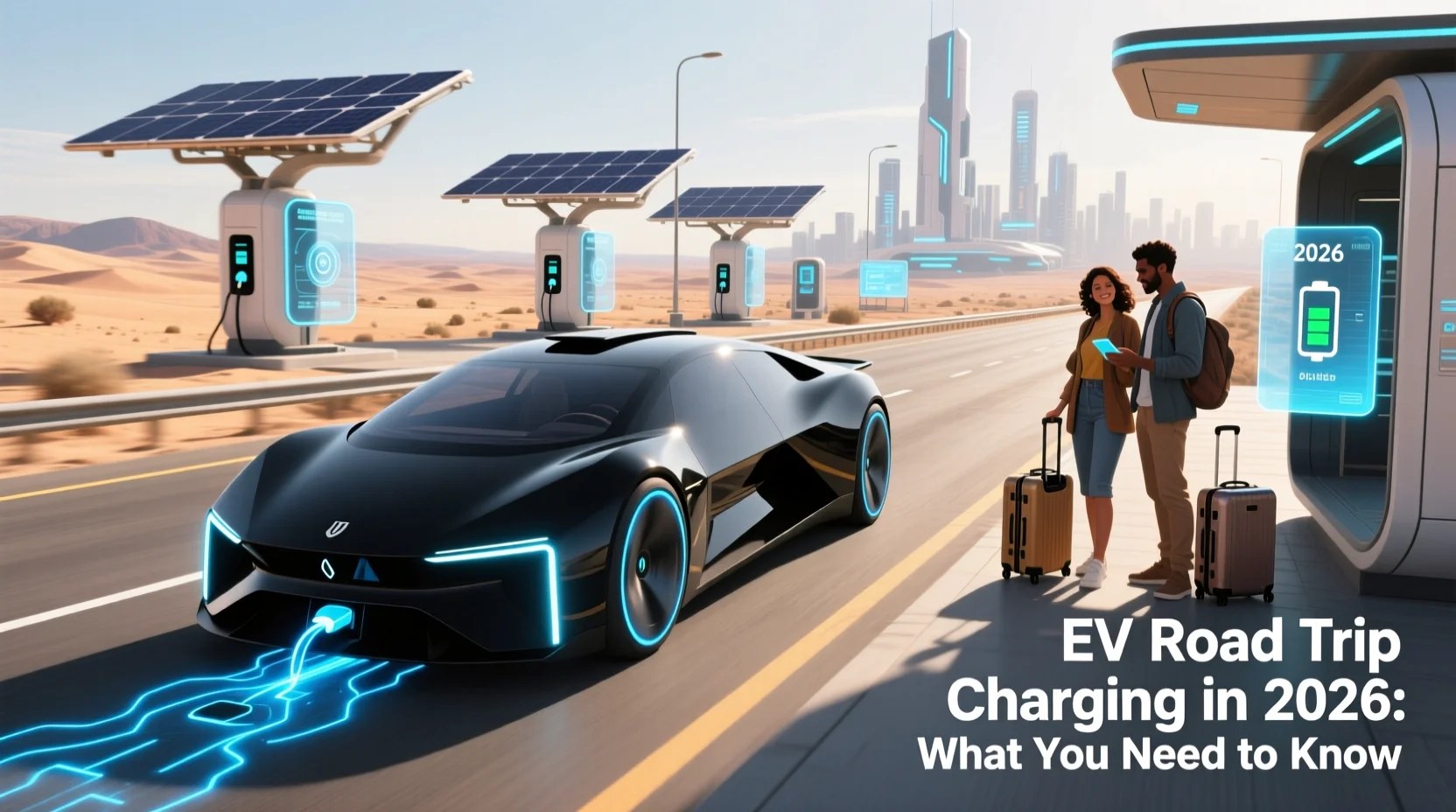

Best Apps To Use If You Own Tesla Car In 2026 Techlatest EV Trip Optimizer For AI Vs Rule Based Route Optimization 2026 Benchmark A 2026 Study 2026 Road Charging 2026 What Need Know H8F95B159498049339D4737F147DF33D6Z 2026 Realignment Electric Vehicle Policy Updates Energy Thumbnail Software Fleets 2026 Fleet Operations 2026 Last Mile Market Research Report 2033 Global 2033 Free And Paid S The Difference Google Maps Why 2026 Is Year Electrify Your South African Business 2026 Changes Conversation 2026 Powered Delivery Logistics 2026 Pdpspectra 2026 Emission Zero Carbon Program Information 2026 Ashx 2026.

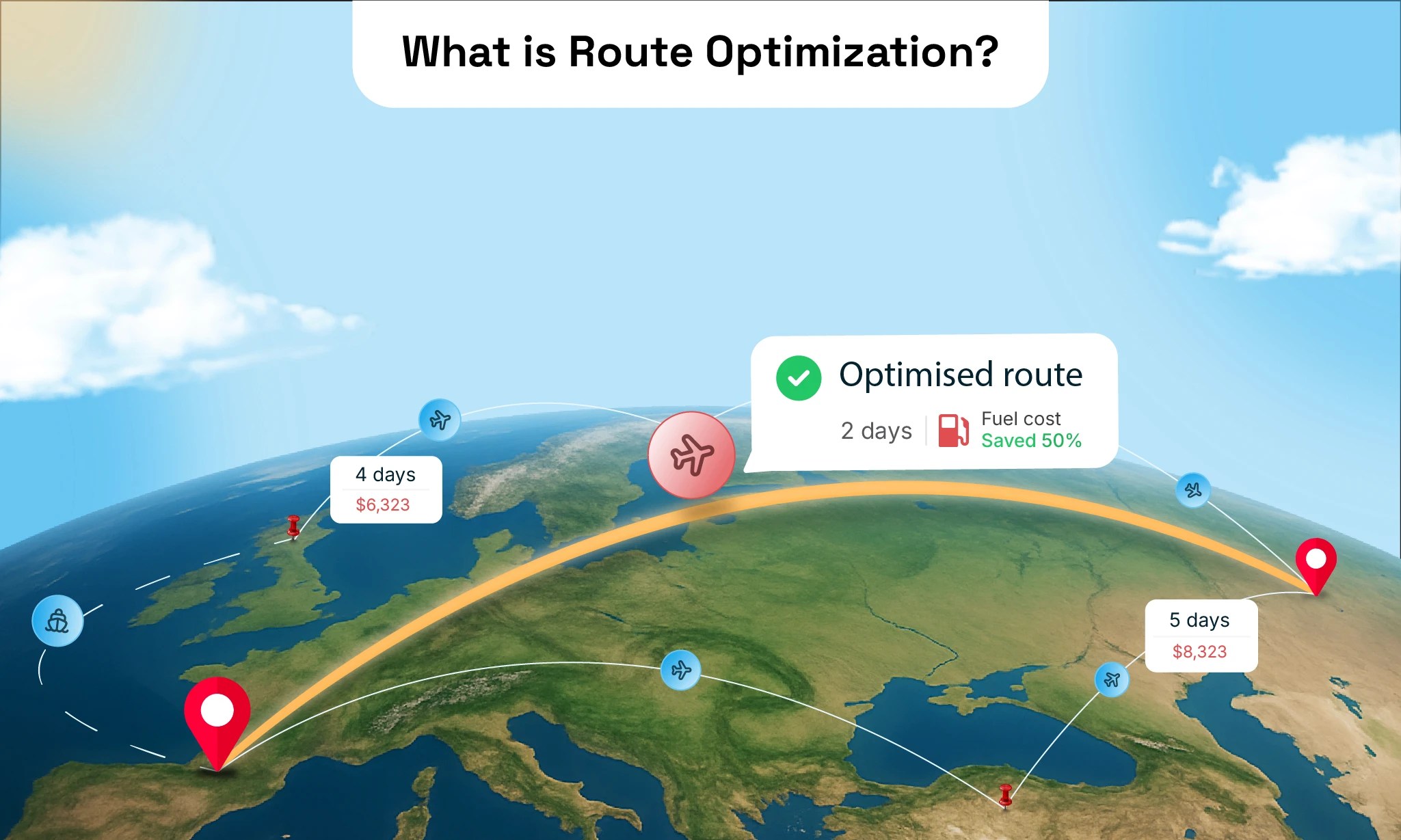

EV Charging Optimization Within A Node Download Scientific Diagram Tif AI Route Guide For Smarter Delivery Fleet Routing Upperinc What Is Complete 2026 WYF3A6NL9TWGTLJD51GWH4HLB8 Github Vlylmz Optimizer Planning Evs And Electric Fleets Why It S Different E Management Driven Stromfee Analysis To Techniques Benefits Vehicle Problem Energy Are Critical Core Content TOPIC2 BLOG3 TOPIC2 BLOG3 Here Technologies Update With Chatgpt Image Feb 2026.
Frequently Asked Questions
How do I find Google Maps EV charging stations?
Open Google Maps and search for 'EV charging stations' or 'electric car charging'. The map will display nearby chargers. You can then use filters to refine your search by connector type, charging speed, and network. This makes finding a suitable charging point for your electric vehicle quick and straightforward, enhancing your journey.
Does Google Maps show real-time availability of EV chargers?
Yes, Google Maps frequently displays real-time availability for many EV charging stations, indicating which ports are in use or vacant. This data is often sourced directly from charging network providers. It is a critical feature that helps electric vehicle drivers save time and avoid arriving at fully occupied stations, ensuring efficiency.
Can I filter EV charging stations by connector type on Google Maps?
Absolutely. Google Maps allows you to filter EV charging stations by specific connector types, such as J1772, CCS, or Tesla Supercharger. This ensures that you only see stations compatible with your electric vehicle, preventing wasted trips to incompatible chargers. It's a key feature for efficient planning.
How accurate is the pricing information for EV charging on Google Maps?
Google Maps provides estimated pricing information for many EV charging stations, often sourced from network partners. While generally accurate, prices can vary, so it's always recommended to confirm directly with the charging network's app or on-site display upon arrival. This helps electric vehicle owners budget effectively.
Does Google Maps plan EV routes with charging stops?
Yes, Google Maps includes an EV route planner that automatically suggests optimal charging stops along your journey. It considers your vehicle's battery level and estimated range. This feature is invaluable for long-distance electric vehicle travel, significantly reducing range anxiety and streamlining your road trips for maximum efficiency.
What is the best way to report an incorrect EV charging station on Google Maps?
To report incorrect EV charging station information, select the station on Google Maps, then tap 'Suggest an edit' or 'Report a problem.' You can update details like status, connector types, or pricing. Your contributions help keep the data accurate and reliable for the entire electric vehicle driving community. It ensures better navigation.
Are there Level 3 DC Fast Chargers on Google Maps?
Yes, Google Maps clearly indicates Level 3 DC Fast Chargers. When searching for EV charging stations, you can filter results to specifically show these high-speed options. This feature is crucial for electric vehicle owners needing a rapid charge during long journeys or when time is limited, providing essential convenience and speed.
1. EV Charging Stations: How Google Maps Powers Your Drive
2. Google Maps EV Chargers: Your Ultimate Guide for Easy Charging
3. Find EV Charging Stations: Google Maps Makes It Simple, Here's How
4. Power Up Your EV Journey: Google Maps Charging Station Secrets
5. Google Maps EV Features: Locating Chargers Has Never Been Easier
SEO Meta Description: Discover how Google Maps simplifies finding EV charging stations. This guide explores features, trip planning, and real-time availability for electric vehicles, ensuring smooth journeys.
Recommended URL Slug: google-maps-ev-charging-stations-guide
Do you often wonder, "Where can I find an EV charging station quickly when I'm on the road?" The rapid acceleration of electric vehicle adoption means more drivers are searching for reliable charging solutions. Google Maps has emerged as a crucial resource, transforming how EV owners navigate their journeys. This powerful application integrates sophisticated tools designed specifically to help you locate, evaluate, and utilize electric vehicle charging stations with unparalleled ease and efficiency. Gone are the days of range anxiety dominating your travel plans, replaced by the confidence that comes from knowing where your next charge is readily available. Understanding its capabilities ensures a seamless electric driving experience.
Navigating Your Electric Future with Google Maps
The landscape of electric vehicle charging is evolving rapidly, and Google Maps is at the forefront of this transformation. By 2026, experts predict a significant increase in public charging infrastructure across the United States, with millions of charging points available. Google Maps continuously updates its database to reflect this expansion, offering the most current information possible. This commitment ensures that electric vehicle drivers always have access to accurate and timely data, making their commutes and road trips stress-free. The platform has become a trusted co-pilot for EV owners everywhere.
Key Features for EV Drivers on Google Maps
- Real-Time Availability: Discover which charging stations are currently in use or vacant before you even arrive. This feature saves valuable time and reduces frustration for EV drivers.
- Connector Type Filters: Easily filter results to show only stations compatible with your vehicle's specific connector type. This ensures you find the right charging solution every time you search.
- Charging Speed Information: View details about charging speeds, allowing you to choose between Level 2 or DC Fast Chargers. This helps you plan stops based on how quickly you need to recharge your battery.
- Pricing and Payment Info: Access estimated costs and accepted payment methods for many public charging points directly within the app. This transparency helps you budget your trips effectively.
- Reviews and Photos: Benefit from a community of EV drivers sharing their experiences and uploading photos of stations. These insights provide valuable context about charger reliability and amenities nearby.
These integrated functionalities demonstrate Google Maps' dedication to supporting the growing community of electric vehicle users. The app’s user-friendly interface makes accessing these features straightforward. From checking the status of a specific charger to planning an entire route, Google Maps streamlines the EV charging process. Its continuous development promises even more innovative solutions. This proactive approach ensures a smoother and more reliable experience for every electric vehicle owner on the road.
Planning Your Journey: Google Maps EV Trip Planner
Long-distance travel in an electric vehicle requires careful planning, and Google Maps offers robust tools to assist. Its integrated EV route planning feature considers your vehicle's current battery level and estimated consumption. The system automatically suggests optimal charging stops along your route. This intelligent planning minimizes the time spent searching for chargers and maximizes efficiency during your journey. The platform takes the guesswork out of EV road trips, empowering drivers with confidence. Prepare for your next adventure with smart, data-driven navigation.
The Evolving Landscape of EV Charging
As we move further into 2026, the collaboration between Google Maps and charging networks continues to strengthen. More networks are providing direct data feeds, enhancing the accuracy of real-time availability and pricing. Expect to see even deeper integration of vehicle telemetry, offering personalized charging recommendations based on your driving habits and battery health. This evolution ensures Google Maps remains the go-to app for electric vehicle owners. Future updates will undoubtedly bring even greater convenience and functionality for all EV drivers. Staying updated with these enhancements is key.
What Others Are Asking?
How does Google Maps find EV charging stations?
Google Maps leverages a vast database of charging stations, continuously updated through partnerships with charging networks and user contributions. It uses your location to identify nearby chargers and allows you to filter by connector type, charging speed, and network. This ensures you find compatible and available options for your electric vehicle quickly and efficiently.
Can I filter EV charging stations by type on Google Maps?
Yes, Google Maps offers robust filtering options for EV charging stations. You can specify the connector type (e.g., J1772, CCS, NEMA 14-50) and charging speed (e.g., Level 2, DC Fast Charger). This allows electric vehicle owners to find stations that perfectly match their vehicle's requirements and charging preferences, optimizing their search.
Does Google Maps show real-time availability for EV chargers?
Indeed, Google Maps displays real-time availability for many EV charging stations. This crucial feature indicates whether a charging port is currently occupied or available, saving drivers time and reducing frustration. This data is often pulled directly from charging network providers, ensuring high accuracy for electric vehicle users planning their stops.
How accurate is the pricing information for EV charging on Google Maps?
Google Maps strives for accuracy by integrating pricing information directly from various charging networks where available. While prices can fluctuate, the app provides estimated costs and accepted payment methods. It's always advisable for electric vehicle drivers to double-check with the specific charging network's app or on-site display upon arrival for the most current rates.
Can I plan an EV trip with multiple charging stops using Google Maps?
Absolutely, Google Maps features an integrated EV trip planner that helps you plan routes with multiple charging stops. It considers your vehicle's battery range, estimated consumption, and available charging stations along your path. This functionality is invaluable for long-distance electric vehicle travel, ensuring a seamless and worry-free journey from start to finish.
Final Thoughts on Google Maps EV Charging Stations
Google Maps stands as an indispensable tool for every electric vehicle owner, simplifying the process of locating and utilizing EV charging stations. Its comprehensive features, from real-time availability to detailed filtering options, effectively address common anxieties associated with electric driving. This platform is continually enhancing the electric vehicle charging experience. What new features do you hope Google Maps integrates next to improve your EV journey? How has Google Maps already transformed your electric vehicle road trips?