Are you ready to redefine your travel experiences in the United States? AI powered maps are rapidly becoming the essential tool for seamless and personalized journeys. This technology moves beyond basic navigation, offering dynamic itineraries, real-time traffic and weather updates, and even suggesting hidden gems tailored to your preferences. Imagine a trip where every turn is optimized, every stop is interesting, and every moment is enhanced by intelligent recommendations. From bustling city explorations to tranquil national park adventures, AI maps promise an unparalleled level of convenience and discovery for every type of traveler. This trending innovation means less planning stress and more enjoyment, transforming how Americans explore their vast and varied country. Embrace the future of travel with smart, intuitive mapping solutions that adapt to your evolving needs on the road. Navigational intelligence like this is truly changing the game for local guides and wanderers alike across the USA.
- How do AI maps enhance road trip planning? - AI maps optimize road trip planning by dynamically adjusting routes based on real-time traffic, weather, and road conditions. They recommend personalized stops, attractions, and accommodations along your journey, factoring in your interests and preferences. This ensures a smoother, more efficient, and enjoyable travel experience from start to finish.
- Can AI maps help find accessible routes for disabled travelers? - Yes, many advanced AI maps are incorporating features to identify and suggest accessible routes for disabled travelers. They can highlight wheelchair-friendly paths, accessible public transport options, and venues with suitable facilities. This technology aims to make travel more inclusive, reducing barriers and improving mobility for everyone seeking to explore.
- What role does voice assistance play in AI map navigation? - Voice assistance plays a crucial role in AI map navigation by enabling hands-free operation for safety and convenience. Users can verbally request directions, search for points of interest, or adjust settings without diverting attention from the road. This seamless interaction enhances the user experience, making navigation intuitive and less distracting, especially while driving.
- Are AI maps effective in rural areas with limited data? - AI maps are becoming increasingly effective in rural areas, with many offering robust offline mapping capabilities. Users can download maps and directions in advance, allowing for navigation even without an internet connection. While real-time updates might be limited offline, core routing and point-of-interest information remain accessible, ensuring guidance in remote locations.
- How do AI maps learn my travel preferences over time? - AI maps learn your travel preferences by analyzing your search history, visited locations, saved favorites, and feedback on recommendations. They observe your travel patterns, preferred types of attractions, and even the pace of your journeys. This continuous learning refines their suggestions, making future recommendations increasingly accurate and personalized to your evolving tastes.
- What privacy features should I look for in an AI map app? - When choosing an AI map app, look for robust privacy features like clear data usage policies, options for anonymous mode, and granular control over location sharing. Ensure the app offers end-to-end encryption for your data and allows you to easily delete your travel history. Prioritizing apps with transparent privacy settings protects your personal information.
- Can AI maps integrate with smart travel booking platforms? - Many AI maps are integrating with smart travel booking platforms to streamline the entire travel process. This allows users to book flights, hotels, and activities directly from the map interface based on personalized recommendations. This integration creates a comprehensive travel planning ecosystem, simplifying logistics and enhancing convenience for users from initial search to final destination.
What are AI powered maps?
AI powered maps leverage artificial intelligence algorithms to provide highly personalized navigation, route optimization, and destination recommendations. Unlike traditional maps, they learn user preferences, process real-time data like traffic and weather, and predict needs to offer dynamic, tailored travel experiences. This technology aims to make every journey more efficient and enjoyable for travelers.
How do AI maps personalize travel experiences?
AI maps personalize travel by analyzing a user's past trips, search history, saved locations, and even social media activity to understand their interests. They then use this data to suggest relevant attractions, restaurants, and activities. This proactive approach ensures recommendations align perfectly with individual tastes, creating a unique and bespoke itinerary for each traveler.
What are the benefits of real-time updates in AI maps?
Real-time updates in AI maps offer significant benefits by constantly monitoring traffic, weather, road closures, and public transport delays. This allows the system to instantly reroute users, provide accurate arrival times, and avoid potential bottlenecks. This dynamic responsiveness minimizes travel stress, saves time, and ensures a smoother, more predictable journey, enhancing overall travel efficiency.
Can AI maps integrate with other smart devices?
Yes, AI maps are increasingly designed to integrate seamlessly with various smart devices. This includes smartphones, smartwatches, in-car infotainment systems, and even smart home devices. Such integration allows for a connected travel ecosystem, enabling voice commands, synchronized itineraries, and continuous navigation across multiple platforms, enhancing convenience and accessibility for users.
What is the future outlook for AI in local guiding?
The future outlook for AI in local guiding is promising, evolving towards AI-powered virtual guides that offer rich, context-aware information. AI can provide historical facts, cultural insights, and interactive tours tailored to a traveler's exact location and interests. While not replacing human guides, AI will serve as an invaluable companion, enhancing understanding and engagement with local environments, making exploration more profound.
How do AI maps handle unexpected changes during a trip?
AI maps handle unexpected changes by continuously monitoring conditions like traffic incidents, weather shifts, or venue closures in real-time. If an issue arises, the AI immediately processes alternative routes or suggests new plans, notifying the user proactively. This adaptive capability minimizes disruptions, allowing travelers to pivot quickly and maintain a smooth, stress-free journey despite unforeseen circumstances.
5 Click-Worthy Titles:AI Travel Maps: Your Ultimate Guide to Smart NavigationFuture Travel: How AI Maps Enhance Every JourneyPersonalized Adventures: The Power of AI Travel MapsStep-by-Step: Mastering AI Maps for Flawless TripsExpert Insights: Unlocking AI Maps for Seamless ExplorationSEO Meta Description:Discover how AI travel maps are revolutionizing personalized journeys. Explore smart navigation, real-time updates, and future travel planning for seamless U.S. adventures.Recommended URL Slug:ai-travel-maps-future-planningAre you still using outdated paper maps or basic GPS that leaves you feeling lost in a sea of generic recommendations? Many travelers wonder if there is a smarter, more intuitive way to explore new places without endless planning frustrations. The answer, arriving in full force by 2026, is definitively yes.
Artificial Intelligence (AI) is transforming how we interact with our world, and travel navigation is no exception. Imagine a map that not only guides you but also anticipates your needs, suggests personalized points of interest, and reroutes you around unexpected delays in real-time. This sophisticated technology promises to make every journey in the U.S. an effortless and enriched adventure, truly personalizing exploration for everyone.
The Dawn of Intelligent Navigation
AI travel maps are more than just a novelty; they represent a significant leap forward in personalized exploration. These advanced systems learn from your past preferences, search history, and even your current mood to curate bespoke itineraries. They consider everything from local events to your dietary restrictions, ensuring a truly unique experience.
Personalized Itineraries and Discovery
Gone are the days of one-size-fits-all travel plans that rarely cater to individual tastes or spontaneous detours. AI-powered maps leverage vast datasets to craft dynamic routes and suggest attractions that genuinely match your interests. This means discovering quaint cafes, unique boutiques, or hidden scenic overlooks you might never find otherwise, making every trip a discovery.
- AI algorithms analyze user data to suggest highly relevant destinations and activities.
- Real-time data integration helps avoid congestion, find parking, and locate essential services efficiently.
- Voice-activated assistants within these maps provide hands-free navigation and information access.
- Predictive analytics help travelers anticipate potential issues like weather changes or venue closures.
Real-Time Adaptive Routing
Traffic jams, sudden road closures, or unexpected weather can derail even the best-laid travel plans, causing undue stress. AI travel maps constantly monitor these external factors and instantly adjust your route to save time and minimize frustration. They provide alternative paths, predict arrival times with greater accuracy, and keep you informed every step of the way.
This constant adaptation ensures that your journey remains smooth and efficient, allowing you to focus on enjoying the experience rather than worrying about logistical hurdles. The system proactively provides updates, ensuring travelers are always one step ahead. It is a game-changer for urban explorers and cross-country adventurers alike in the United States.
What Others Are Asking?
How will AI maps change my daily commute?
AI maps will revolutionize commutes by offering predictive traffic analysis and dynamic rerouting, minimizing delays effectively. They learn your preferred routes and suggest alternatives based on real-time incidents, integrating public transit options seamlessly. This ensures a smoother, more efficient journey, adapting to unforeseen urban challenges and making daily travel less stressful and more predictable for everyone.
Are AI-powered travel maps truly secure with my data?
Reputable AI travel map providers prioritize user data security through advanced encryption and anonymization protocols. While personalization requires some data, robust privacy settings allow users to control what information is shared. Companies are increasingly transparent about data usage, offering clear opt-out options. Always review privacy policies to ensure your comfort level with data handling practices.
Can AI maps help me find unique local experiences?
Absolutely, AI maps excel at uncovering unique local experiences. By analyzing your interests and past activities, they can recommend off-the-beaten-path attractions, local eateries, cultural events, and hidden gems that align with your preferences. These systems move beyond tourist traps to connect you with authentic, immersive experiences within any given destination, enriching your travel stories.
What is the cost of using advanced AI travel map features?
The cost of advanced AI travel map features varies; many basic AI enhancements are often free within popular map applications. Premium features, offering deeper personalization, offline access, or ad-free experiences, might come with a subscription fee. These paid options often provide significant value for frequent travelers, making the investment worthwhile for enhanced convenience and bespoke planning tools.
Will AI maps replace human local guides by 2026?
While AI maps offer incredible navigation and personalized recommendations, they are unlikely to fully replace human local guides by 2026. AI enhances travel by providing efficient logistics and data-driven insights. Human guides offer irreplaceable cultural nuances, spontaneous interaction, and personal storytelling that AI cannot replicate. They will likely work in tandem, with AI improving efficiency and guides providing rich, immersive experiences.
The Ideal AI-Enhanced Traveler Profile:
For those seeking the most from AI-powered maps, a profile often emerges. Casting directors, if seeking the quintessential AI-era traveler, might look for individuals fitting these general traits:
- Height: 5'8" - 6'2"
- Build: Active, moderate to athletic
- Hair: Any color, well-maintained
- Eyes: Expressive, curious
- Age Range: 25-55
- Ethnicity: Diverse, representing global travel community
Final Thoughts on AI Powered Maps for Seamless Travel
AI powered maps are undeniably reshaping the future of travel, offering unparalleled personalization and efficiency for every journey. They promise to transform frustrating logistical challenges into seamless, enjoyable explorations, reinforcing the joy of discovery for travelers across the U.S. As this technology evolves, one might wonder: What new destinations will AI inspire you to explore next? How will your travel stories change with this intelligent co-pilot?
AI map personalization, real-time travel updates, intelligent itinerary building, voice-guided tours, enhanced destination discovery.
34



Global In 2026 Futuristic Digital World Map Stock Global Futuristic Digital World Map Glowing Fiber Optic Cables Data Streams Illustrates Concept 424976075 . World Map And Year 2026 Of The World Map With The Year 1000 F 1754974276 . Dynamic 2026 Digital World Map With Glowing Circuit Lines 1000 F 1703244502 . Magnifying Glass Digital World Map 2026 V1 Stock Adobe Stock 1000 F 1760041277 . The World In 2026 A Futuristic Global Network Where The 1000 F 1731626481



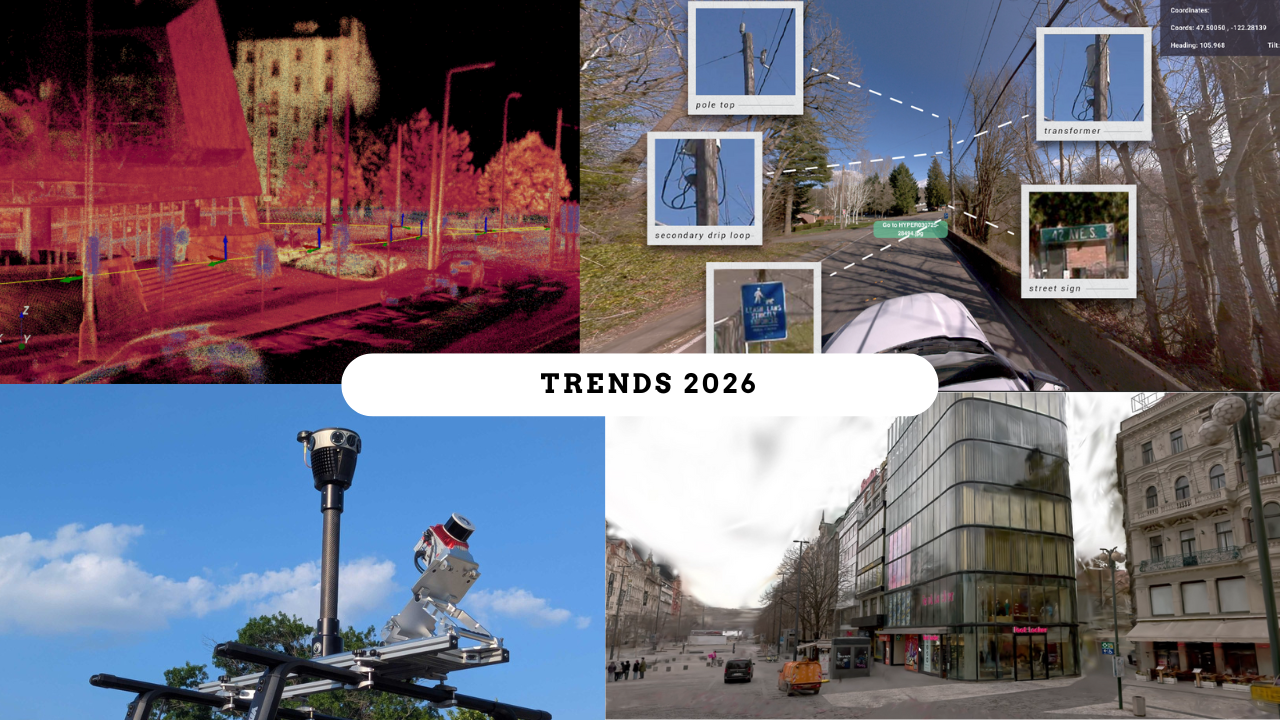
Futuristic Global Network Map With Highlighted Connections For 2026 Futuristic Global Network Map Highlighted Connections Digital World Displaying Networks Regions 424975688 . 156 World Map 2026 Stock Photos Free Royalty Free Stock Photos From Futuristic World Map Glowing Red Light Global Trends Concept Futuristic World Map Glowing Red Light Global 384930815 . Futuristic Digital World Map With 2026 Neon Overlay Stock Glowing Digital Globe Showing Networked World Map Illuminated City Lights Data Points Overlaid Neon 428049833 . World Map 2026 And 3036 Geoportal Geography Oar2 . 6 Geospatial Trends To Watch In 2026 Insights From Intergeo 2025 Trends 2026




2026 World Map A Stylized World Map Video Overlaid With 1000 F 1755037871 . Year 2026 World Map A 3D Of The Year 2026 On A Map Of The World 1000 F 1754974386 . Realistic Close Up Of A Magnifying Glass Over Glowing 2026 Text On 1000 F 1673335949 . Global Vision 2026 Futuristic World Map Stock Global Vision Futuristic World Map Vibrant Abstract Image Showcasing World Map Rendered Futuristic Digital Style 405626562 . Global Map Showcasing Regions With Number Tiles The Year Global Map Showcasing Regions Number Tiles Year Global Map Showcasing Regions Number Tiles 418812709




2026 Future Timeline On World Map Background 2026 Global Forecast And 1000 F 1872704233 . Mapping The Future The Top 3 Factors Affecting The Built Environment GEO Blog Featured Images . 2026 World Map Typography With Textured Continents And Oceans Ideal 1000 F 1162218985 . How To Select The Perfect Map In 2026 For Your Needs 13616905 6b41 48fd A090 . Year 2026 Above World Map Global Future Concept Stock Overhead View Presents Number Bold Red Above Textured White World Map Depicts Countries Composed Smaller Text 436993761




219 Thousand Global Strategy Background Royalty Free Images Stock Crystal Globe On Map 2026 260nw 2648370739 . Future Earth 2025 Map Sddefault . A Bad Witch S Blog Pagan Eye Predicting A Future Map Of The World Future Map Of The World At British Library Small . World Map 2026 Defacto Borders Stock Photos Free Royalty Free Stock Future Planning Wooden Blocks Showing Map Asia Europe Concept 419099971 . Gordon Michael Scallion S Future Maps Tim Boucher




Future World Map . Future Directions BRM4343 Scallion Future Map North America Lowres Scaled . The World In The Future Map . 6 Thousand Vision Concept 2026 Royalty Free Images Stock Photos Business Roadmap 2026 Success Concept 260nw 2666082617 . Alternative Future Of The World Map 2026 3026 YouTube


Global Digital Network Future Year 2026 Stock Striking Visual Presents Year Neon Blue Typography Centered Over Dark Digital Map World Map Visualized 415948342 . 2026 Vision Background Images HD Pictures And Wallpaper For Free Pngtree Futuristic Vision Of 2026 Showcasing In Urban Development Technology And Image. Future World Map In 2022 BRM4190 Gordon Michael Scallions Map United States 1992 Lowres Scaled . 2026 Is The Year The Future Became Real By Mark Hewitt Medium